
 English
 Arabic
 Polish
 Russian
If you eat a varied diet, you probably do not need a supplement containing all vitamins and minerals. In the UK, the common exception is vitamin D: the NHS advises everyone to consider it in autumn and winter. Your age, diet, pregnancy status and time outdoors may change what else you need.
The UK regulates supplements as foods. Use them to help meet a nutritional need alongside meals, never to treat a health condition.
Who needs all vitamins and minerals in a supplement?
|
Who |
What’s commonly recommended |
Food first or supplement? |
|---|---|---|
|
Most healthy adults |
Consider 10 micrograms (400 IU) vitamin D daily in autumn and winter. |
Food first for most other nutrients; a separate vitamin D supplement can be useful in winter. |
|
Trying to conceive or in the first 12 weeks of pregnancy |
400 micrograms folic acid daily; consider vitamin D as advised for adults. Avoid supplements containing vitamin A (retinol) in pregnancy. |
Take folic acid as recommended rather than relying on food alone. |
|
Children aged 6 months to 5 years |
Vitamins A, C and D, unless they have more than 500ml of infant formula a day. |
Age-appropriate vitamin drops are recommended in addition to food. |
|
Older adults |
Consider vitamin D in autumn and winter; year-round if rarely outdoors or living in a care home. |
A varied diet may otherwise be enough; discuss persistent difficulty eating with a GP. |
|
People with darker skin or little sun exposure |
Consider 10 micrograms (400 IU) vitamin D daily throughout the year. |
Food alone may not supply enough vitamin D. |
|
Vegans and some vegetarians |
A reliable source of B12; vegans should also think about iodine. Consider vitamin D according to sun exposure and season. |
Plan fortified foods or an appropriate supplement for nutrients your diet does not reliably supply. |
|
People with heavy periods |
Ask about a blood test before taking iron. |
Iron-containing foods first; take an iron supplement if a clinician advises it. |
|
People eating less than usual |
Review what your smaller range of meals provides. |
Improve intake where possible; a suitable multivitamin may provide a safety net. |
|
People on long-term medication |
Ask a GP or pharmacist whether your medicine affects nutrient needs. |
Do not add a supplement solely because you take a medicine. |
Use these recommendations as a starting point. Speak to your GP or pharmacist before starting a supplement if you are pregnant, breastfeeding, taking medication or managing a health condition.
Food first: what a varied diet covers
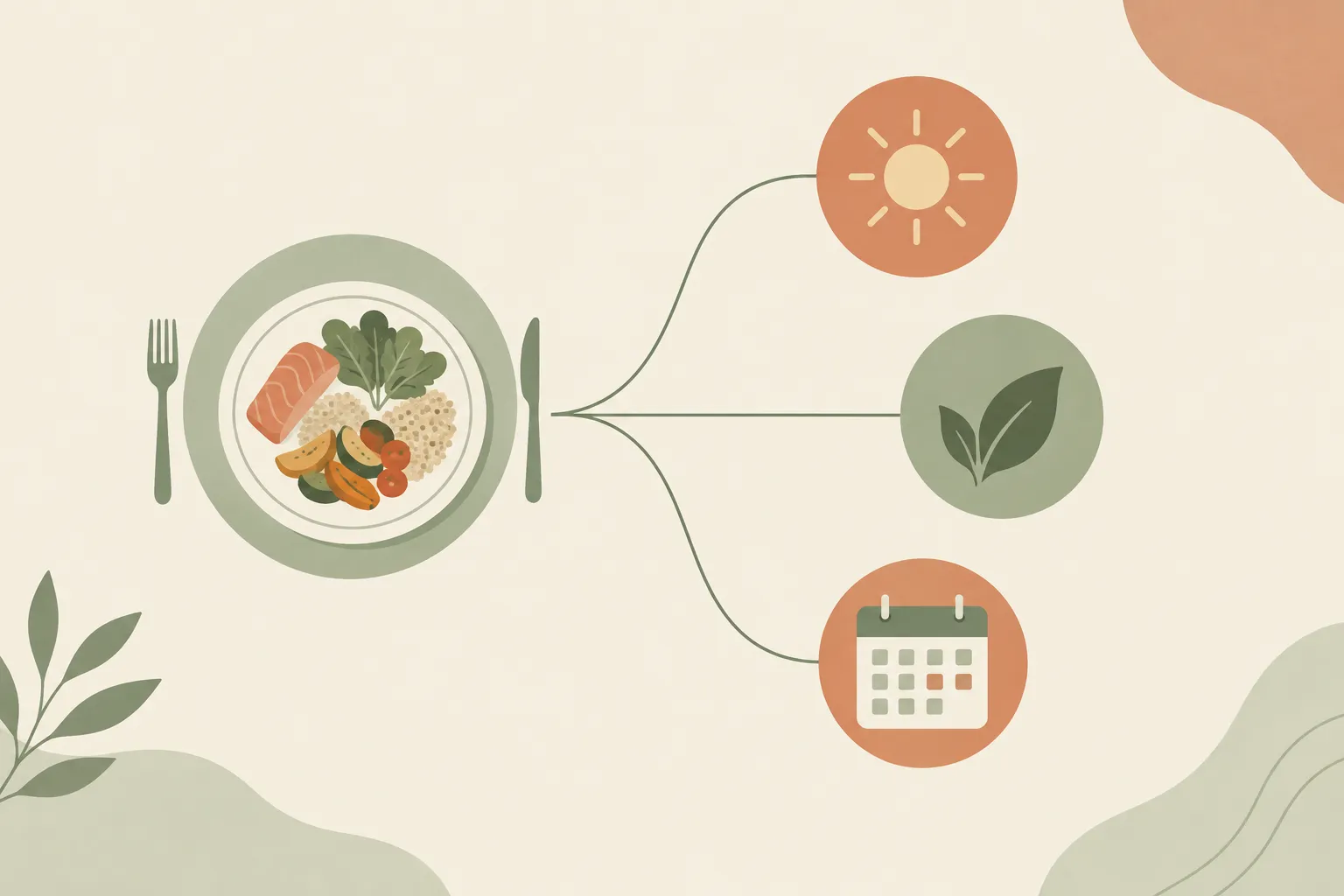
You can get most essential vitamins and minerals from ordinary foods: green leafy vegetables, fruit, wholegrains, beans, nuts, dairy or fortified alternatives, and protein foods. Leafy greens and sweet potatoes supply beta carotene, which your body can turn into vitamin A. Eggs, fortified breakfast cereals, fish, sunflower seeds and vegetable oils broaden the mix. Your body needs vitamins and minerals in small amounts, but it also needs things a multivitamin cannot provide, such as fibre and protein from meals.
Some nutrients need a little more planning:
-
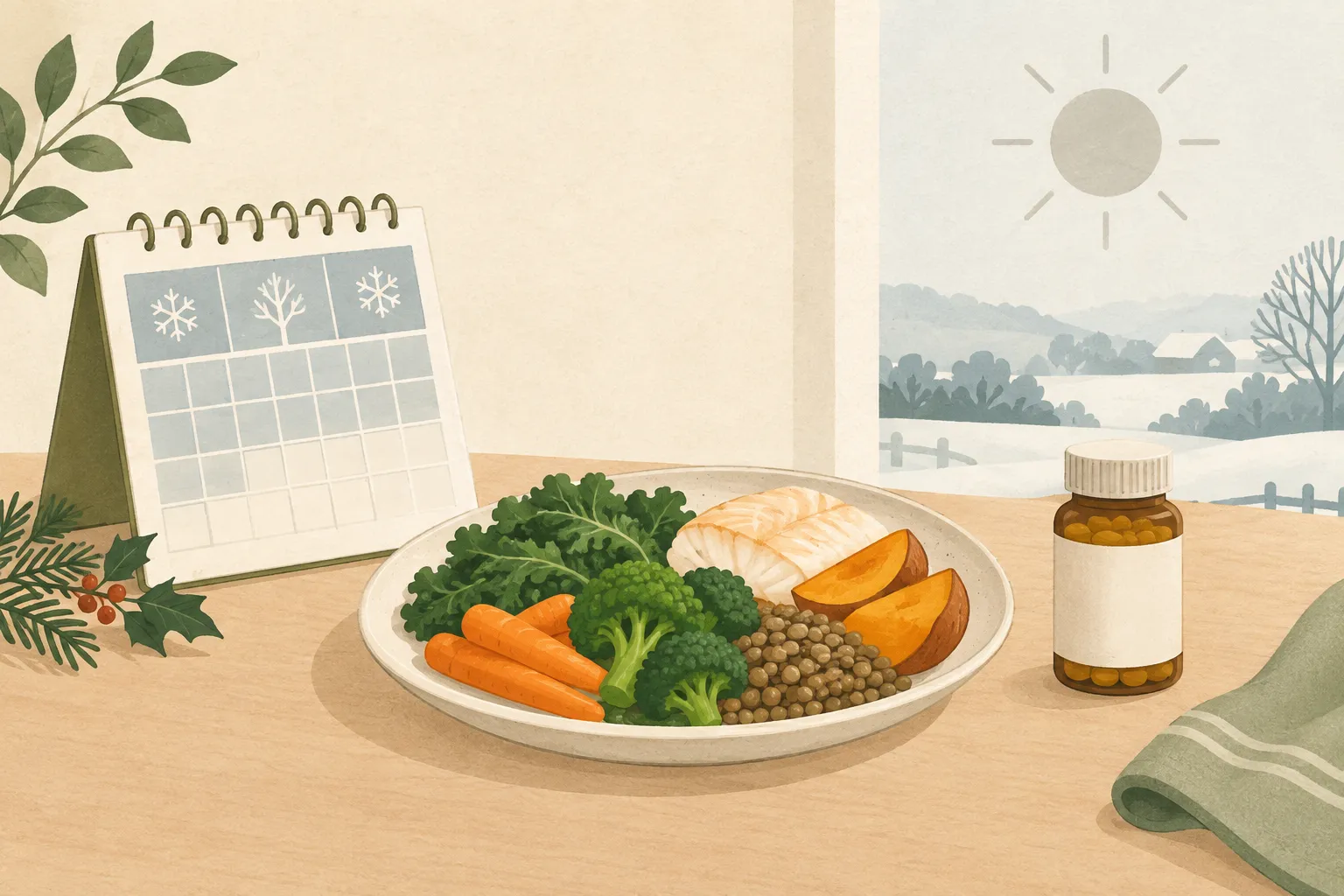
Vitamin D in a UK winter: sunlight is a major source, while few foods contain much. Adults who eat well should still consider 10 micrograms (400 IU) daily in autumn and winter.
-
B12 without animal foods: vegan diets need a reliable source from fortified foods or a supplement. Eggs and dairy can supply B12 for vegetarians who eat them, but the amount eaten matters.
-
Iodine without dairy or fish: these are common UK sources, so people excluding them need to think about iodine in their food or supplement choices. High-dose iodine and kelp products are not a casual substitute.
-
Omega-3 without oily fish: omega-3 is a fat, not a vitamin or mineral. Those who do not eat oily fish can consider plant sources and, if appropriate, an algae-based source of long-chain omega-3. A standard multivitamin will not necessarily contain it.
Consider the range of foods you eat over a week rather than counting nutrients at each meal.
Who commonly needs something specific?
Most healthy adults
If you eat a varied diet, a daily multivitamin may add little. The NHS still advises everyone in the UK to consider 10 micrograms (400 IU) of vitamin D daily in autumn and winter. For other nutrients, start with food.
If your meals have become repetitive, make room for different foods first. Extra iron or vitamin A offers no automatic benefit.
Trying to conceive and pregnancy
Start taking 400 micrograms of folic acid a day when you begin trying to conceive, and continue through the first 12 weeks of pregnancy. Folate-rich vegetables remain part of a good diet, but they do not replace this advice. Your GP may recommend a different dose for specific circumstances.
Consider 10 micrograms (400 IU) of vitamin D a day in autumn and winter, or all year if you have little sun exposure. During pregnancy, avoid supplements containing vitamin A as retinol, including ordinary adult multivitamins that contain it. Discuss supplements with your GP, midwife or pharmacist if you are pregnant or breastfeeding.
Babies and young children
Children aged 6 months to 5 years should have vitamins A, C and D. The exception is a child having more than 500ml of infant formula a day, because formula is fortified. A health visitor or pharmacist can help you find an age-appropriate product; do not give an adult multivitamin.
Breastfed babies are generally advised to have vitamin D drops from birth; babies taking more than 500ml of infant formula a day do not need additional vitamin D. Food matters as children start eating, but it does not remove the supplement advice for their age.
Older adults
Being older does not, by itself, call for a multivitamin. Consider 10 micrograms (400 IU) of vitamin D in autumn and winter, or all year if you live in a care home or rarely go outdoors.
If you are eating less because shopping or cooking has become difficult, or your appetite is low, tell your GP or a dietitian. They can help you look at meals as well as supplements.
People with darker skin or little sun exposure
If you have darker skin, usually cover your skin outdoors, rarely go outside or live in a care home, consider 10 micrograms (400 IU) of vitamin D every day of the year. In these circumstances, UK sunlight may not provide enough vitamin D, and getting enough from food alone is difficult.
Your other nutrients may still be covered by food.
Vegans and vegetarians
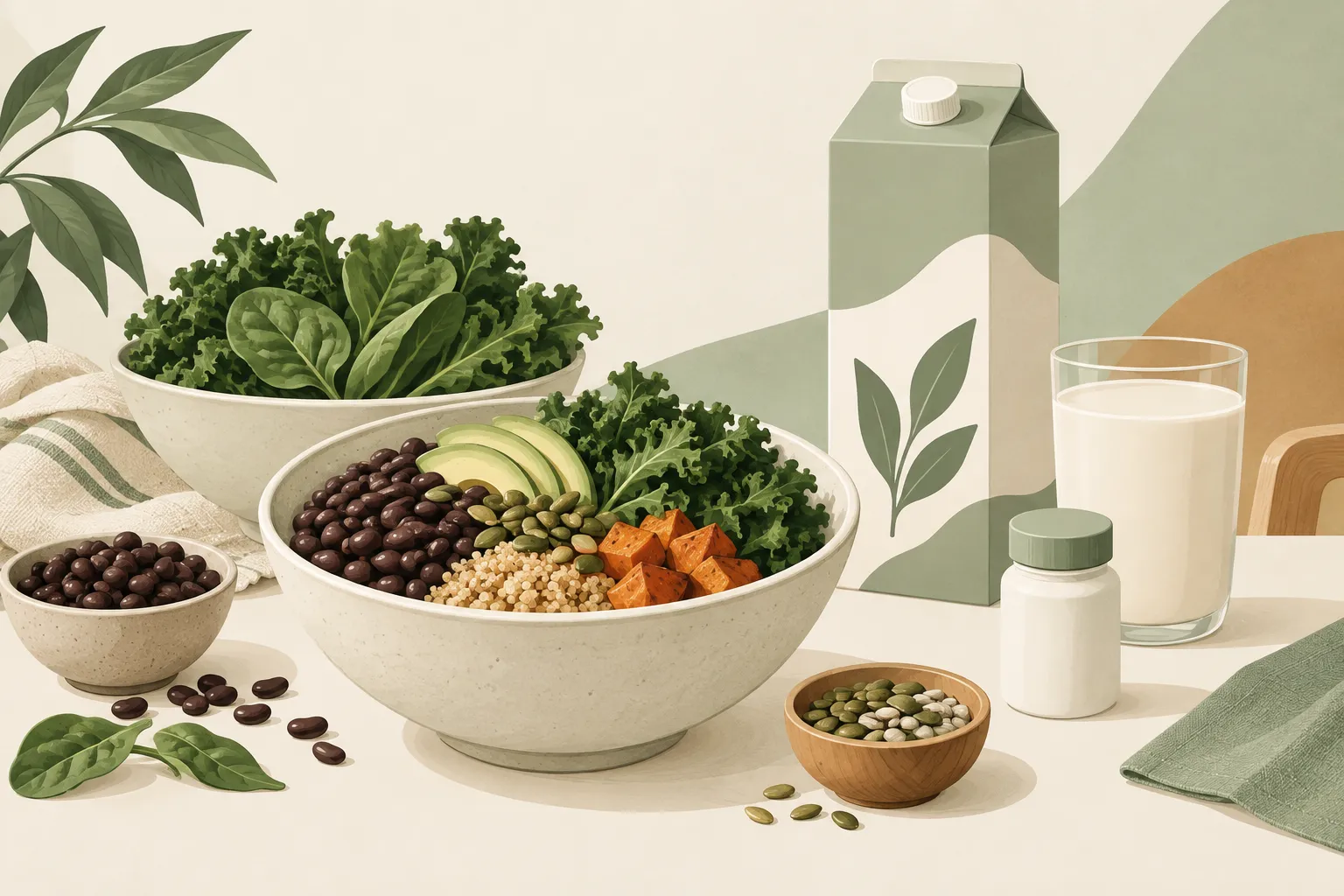
If you eat a vegan diet, build in a reliable B12 source: a supplement or B12-fortified foods you consume regularly. Plants are not a reliable natural source. Think about iodine as well. Some plant milks contain it, but others do not. The same seasonal or year-round vitamin D advice applies to you.
If you eat eggs and dairy as a vegetarian, they may provide B12 and iodine; how often you eat them matters. Beans, lentils, tofu, nuts, wholegrains and fortified foods help with iron and other nutrients. Without oily fish, you will need to think separately about omega-3, which a multivitamin may not contain.
People with heavy periods
With heavy periods, iron deserves attention, but hold off on iron tablets until you have had an assessment. Eat beans, lentils, red meat if you choose it, and fortified breakfast cereals. Add vitamin C-containing foods alongside plant sources.
If your periods are heavy, ask your GP about a blood test. A clinician can advise whether iron is needed and at what dose. Iron “just in case” may cause side effects and distract from addressing the bleeding.
People eating less than usual
If you are eating less while dieting, recovering from illness or taking appetite-reducing medication, variety can suffer. With smaller meals, keep protein foods, fruit or vegetables, and foods you enjoy on the menu. Seek advice if your reduced intake persists; supplements cannot make up for missed meals.
For a temporarily limited diet, a general multivitamin and mineral may help cover some gaps, provided it does not duplicate what you take already. InfiniVit’s Replenor formula for periods of reduced food intake is available exclusively at Holland & Barrett. It contains iron and vitamin D, so include those amounts when you look at your other supplements. Keep working towards adequate meals. If you take an appetite-reducing medicine, discuss changes in appetite and any supplements with the clinician who prescribed it.
People on long-term medication
Some diabetes medicines and medicines that reduce stomach acid can affect B12 levels over time. If you take one, ask your GP or pharmacist whether you need monitoring or a blood test before adding B12.
Medicines and supplements can interact. Bring a list of prescribed and over-the-counter products to that conversation; do not change a prescribed medicine to make room for a supplement.
When do vitamins and minerals supplements make sense?
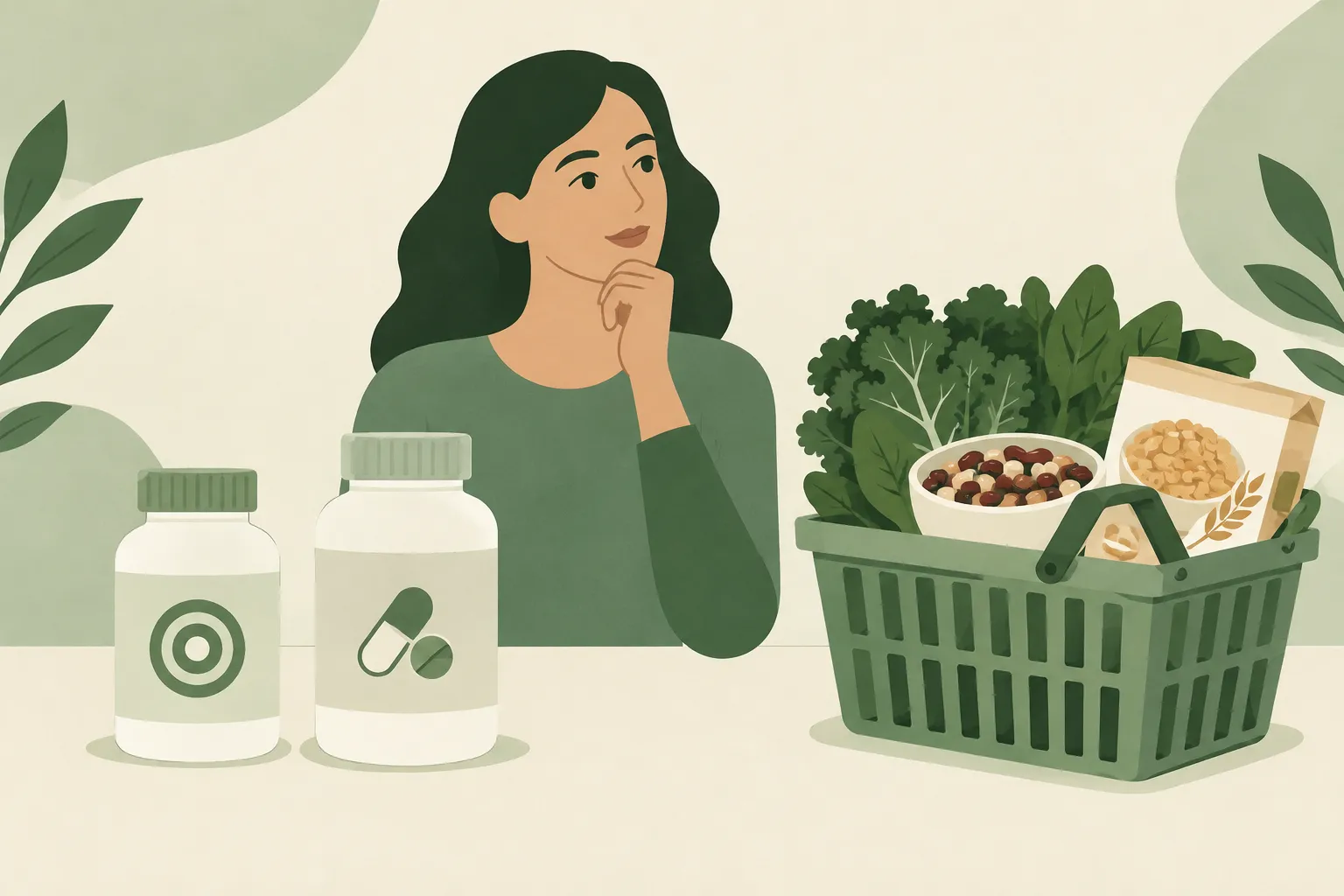
If your diet is restricted or your appetite is reduced, a multivitamin and mineral can offer a convenient back-up. Formulas vary, and one tablet may leave some needs uncovered.
If your diet is limited, you might consider InfiniVit’s OptiVita multivitamin and mineral formula while you work on your meals. Each capsule lists 2.5 micrograms (100 IU) of vitamin D, below the NHS winter advice of 10 micrograms (400 IU). One capsule therefore does not cover that advice on its own. Look at the full label alongside any separate vitamin D or other targeted supplements, and choose a product suited to your life stage.
Already taking several targeted products? Ask a pharmacist to review the combined amounts before adding a multi. Overlap can mean too much vitamin A, iron or vitamin D. Take particular care with retinol in pregnancy and use an assessment to guide iron. A higher vitamin D dose is not automatically better. For healthy adults eating a varied diet, NHS vitamin D advice may be enough.
A simple decision before you buy
-
Start with your situation: season, age, pregnancy, sun exposure and dietary pattern can change the advice.
-
Look at your meals. If you eat a wide range of foods, a supplement may only need to address a specific gap.
-
Choose for that gap. Folic acid or vitamin D advice does not mean you need a broad-spectrum product.
-
Add up what you take already, including single nutrients, multivitamins and fortified products. Pay particular attention to vitamin A, iron and vitamin D.
-
Speak to a GP or pharmacist if you are pregnant, breastfeeding, taking medication or managing a health condition. For iron or B12 concerns, ask about a blood test rather than guessing from how you feel.
Most adults can get most nutrients from food, while seasonal vitamin D is worth considering in the UK. Your age, sun exposure, eating pattern and medical circumstances determine whether you need more. At InfiniVit, we favour choosing a supplement for a reason over accumulating duplicate products. Browse the InfiniVit range if your diet calls for support, or email info@infinivit.co.uk with questions.
FAQ
How to get all 13 vitamins daily?
Eat a varied mix of vegetables and fruit, wholegrains, protein foods and dairy or fortified alternatives across the week rather than trying to fit every vitamin into one day. In the UK, consider vitamin D in autumn and winter; vegans also need a reliable B12 source from fortified foods or a supplement.