
 English
 Arabic
 Polish
 Russian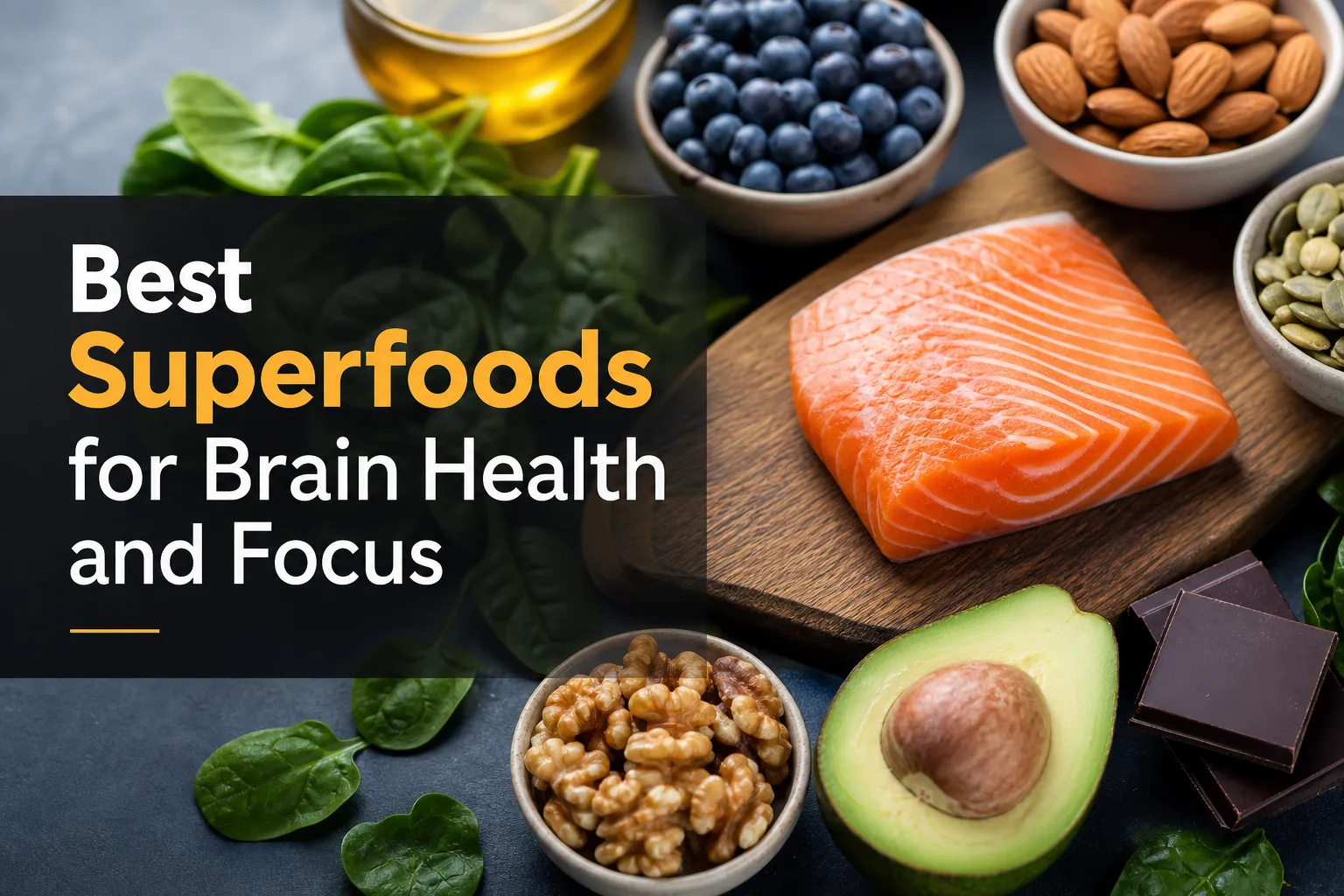
Best Superfoods for Brain Health and Focus
When people look for better focus and long-term brain health, it is easy to get pulled straight toward pills, powders and bold promises. In reality, the strongest starting point is usually much simpler: a steady pattern of eating that regularly includes nutrient-dense whole foods.
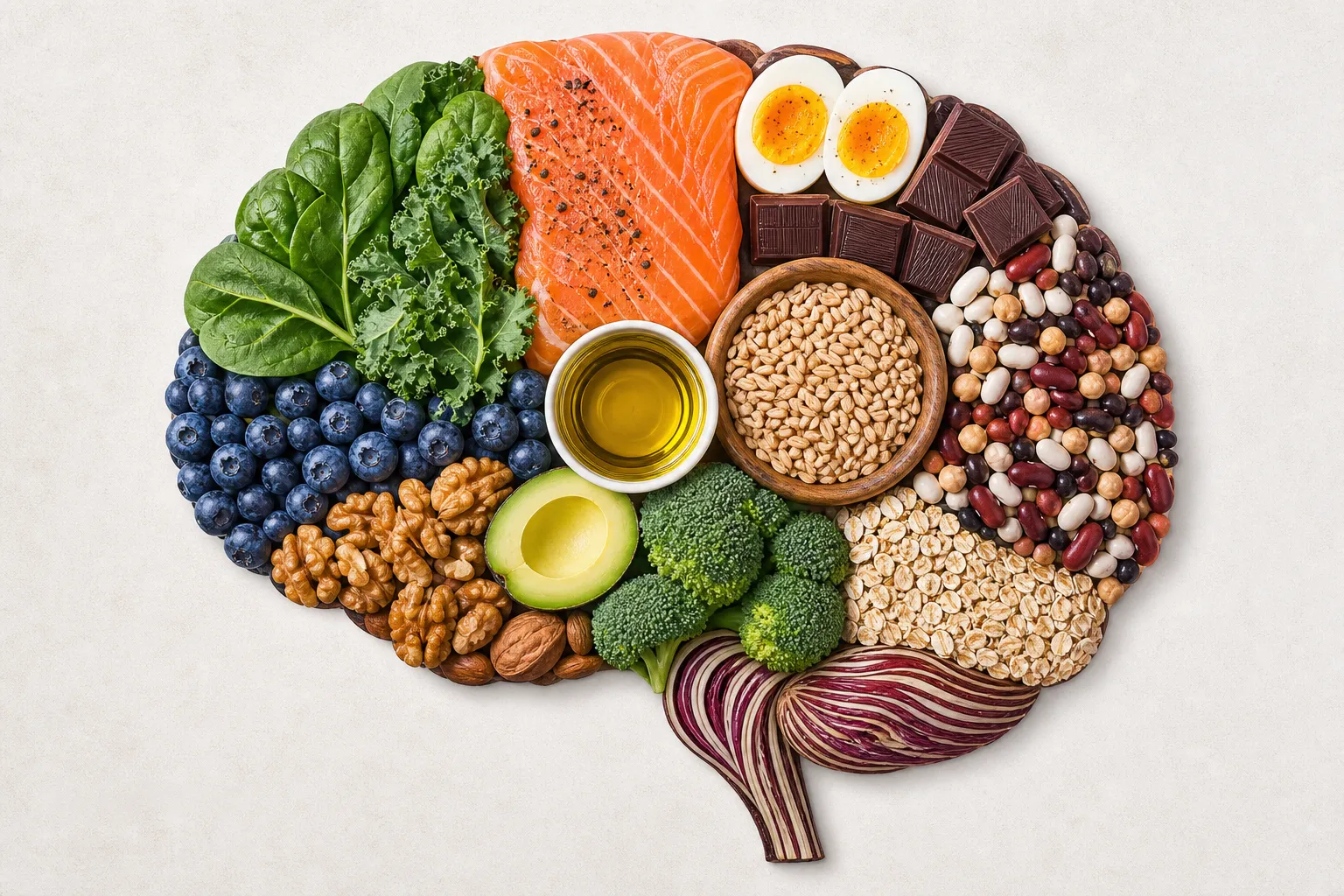
For most adults, food habits matter more than chasing a quick fix. A brain-friendly way of eating is less about one miracle ingredient and more about repeating a few evidence-aware basics: oily fish, berries, leafy greens, beans, nuts, whole grains, olive oil and other minimally processed foods that also support heart and metabolic health. That overlap matters because what helps your blood vessels, blood sugar balance and inflammation levels often supports the brain too.
This guide brings the current recurring advice together into one food-first resource, explains what each group is thought to contribute, and shows where daily eating patterns usually make a bigger difference than buying a brain supplement.
What the best-performing advice has in common
Across major health publishers and hospital-led nutrition articles, the same themes keep appearing:
-
no single food makes or breaks brain health
-
dietary patterns matter more than isolated ingredients
-
foods linked with brain health often match foods linked with heart health
-
minimally processed, fibre-rich, colourful foods tend to dominate the advice
-
oily fish, berries, greens, nuts and olive oil appear again and again
That consistency is useful. It suggests the most practical route is not to build your routine around niche “smart foods,” but around familiar foods you can actually eat often.
A good mental model is this: think pattern first, superfood second. If your meals are mostly built from ultra-processed convenience foods, adding one handful of walnuts will not cancel that out. But if your usual diet is already balanced, those recurring foods may help strengthen the overall quality of your intake.
For a broader look at food patterns that support everyday wellbeing, you may also like our guide to brain food.
Why food-first matters for focus and brain health
Your brain is metabolically demanding. It depends on a reliable supply of energy, a steady flow of oxygen-rich blood, structural fats, vitamins, minerals and plant compounds from the diet. That does not mean specific foods guarantee sharper thinking. It does mean that your regular eating pattern can either support or undermine the systems your brain relies on.
The main nutrition pathways involved
|
Dietary factor |
Why it matters |
Food examples |
|---|---|---|
|
Healthy fats |
Help supply structural fats used in brain tissue and cell membranes |
Salmon, sardines, walnuts, olive oil |
|
Blood sugar steadiness |
Large swings in energy intake can affect concentration and energy levels |
Oats, beans, lentils, whole grains |
|
Antioxidant compounds |
Help protect cells from oxidative stress |
Berries, cocoa, leafy greens, colourful veg |
|
Vascular support |
Brain health is closely tied to blood vessel health |
Olive oil, nuts, fish, beans |
|
Micronutrient density |
Nutrients such as folate, vitamin K, choline and magnesium play important roles in the body |
Greens, eggs, legumes, seeds |
This is one reason Mediterranean-style and MIND-style eating patterns come up so often: they bring many of these features together in a practical way.
The best superfoods for brain health and focus
1. Oily fish
Oily fish is one of the most consistent inclusions in articles on superfoods for brain health. Salmon, sardines, trout, mackerel and herring provide omega-3 fats, especially DHA, which is a structural component found in the brain.
What oily fish is thought to contribute
-
omega-3 fats that form part of brain cell membranes
-
support for overall cardiovascular health, which is closely linked to brain health
-
a nutrient-dense protein source that can replace more heavily processed meals
The practical point is not that fish “boosts intelligence.” It is that including oily fish regularly can help improve the overall quality of the diet in a way that aligns with current healthy eating guidance.
Easy ways to use it
-
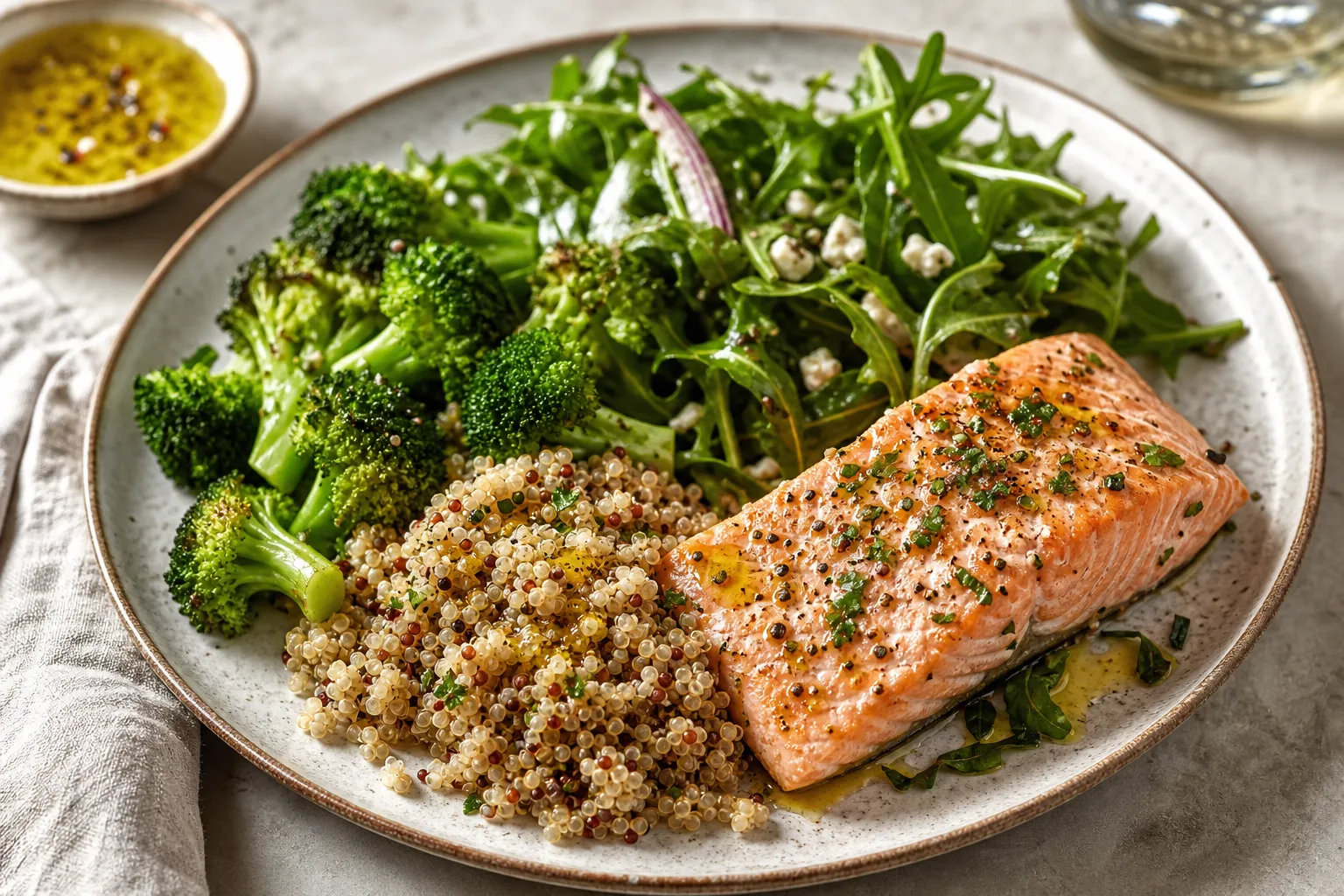
grilled salmon with greens and whole grains
-
sardines on wholegrain toast with tomatoes
-
mackerel flaked into a bean salad
-
trout with roasted vegetables and olive oil
If you do not eat fish, walnuts, chia, flax and rapeseed oil can still contribute omega-3 fats, though they do not provide DHA in the same form as oily fish.
2. Leafy greens and cruciferous vegetables
Spinach, kale, rocket, chard, spring greens, broccoli and Brussels sprouts show up repeatedly for good reason. These foods are rich in compounds such as folate, vitamin K, carotenoids and polyphenols, all of which contribute to the overall nutrient density of the diet.
What leafy greens are thought to contribute
-
folate, which contributes to normal blood formation and plays an important role in the body
-
vitamin K and carotenoids, commonly highlighted in brain-health research discussions
-
fibre and low-energy-density volume, which help support balanced meals
“Participants who consumed 1 to 2 servings of green leafy vegetables per day had a rate of cognitive decline equivalent to being 11 years younger in age than those who consumed none.” – Neurology
That does not prove cause and effect for every person, but it does reinforce why greens deserve a daily place on the plate.
Easy ways to use them
-
add spinach to eggs or omelettes
-
build lunches around mixed leaves, beans and olive oil
-
stir kale into soups, stews or pasta
-
roast broccoli or Brussels sprouts for dinner
For readers working on overall dietary quality, our article on benefits of organic food may also be useful where choosing produce variety is part of the goal.
3. Berries
Blueberries, strawberries, blackberries and raspberries are among the most widely discussed fruits for brain health. Their appeal comes largely from flavonoids and other polyphenols rather than any one “special” vitamin.
What berries are thought to contribute
-
antioxidant and polyphenol compounds
-
a practical alternative to sweeter desserts and snack foods
-
an easy way to increase fruit variety without much preparation
“Women who consumed two or more servings of strawberries and blueberries each week delayed memory decline by up to 2.5 years.” – Harvard Health
This should be read as an association, not a promise. Still, berries are an easy, low-friction addition to a balanced routine.
Easy ways to use them
-
add blueberries to porridge or overnight oats
-
mix frozen berries into plain yogurt
-
pair strawberries with nuts for a snack
-
use raspberries in a high-fibre breakfast bowl
4. Nuts, especially walnuts
Nuts bring together healthy fats, vitamin E, minerals and plant compounds. Walnuts stand out in many articles because of their omega-3 ALA content, but almonds, pistachios, hazelnuts and mixed nuts also fit well into a brain-friendly eating pattern.
What nuts are thought to contribute
-
unsaturated fats that fit well within heart-supportive dietary patterns
-
minerals and vitamin E
-
a convenient snack that can displace more refined, sugary options
Easy ways to use them
-
keep a small handful with fruit for an afternoon snack
-
scatter chopped walnuts over porridge or salads
-
blend nuts into homemade dressings or sauces
-
add crushed pistachios to plain yogurt
Portion awareness still matters, but nuts are one of the easiest recurring foods to build in consistently.
5. Beans, lentils and other legumes
Legumes are often under-emphasised in mainstream “brain food” roundups, yet they deserve more attention. They help support a slower release of carbohydrate, provide fibre, and offer minerals and plant protein that help build more balanced meals.
What legumes are thought to contribute
-
steadier energy from fibre-rich carbohydrate sources
-
folate and other micronutrients
-
support for fullness and meal quality
This is one of the biggest content gaps in many competing articles: they mention berries and salmon, but often gloss over the value of everyday staples like lentils, chickpeas and beans. For adults who want more reliable focus across the day, stable, satisfying meals often matter more than expensive niche foods.
Easy ways to use them
-
lentil soup with leafy greens
-
chickpeas in salads or grain bowls
-
black beans with roasted vegetables
-
hummus with crunchy veg and wholegrain crackers
6. Extra virgin olive oil
Olive oil appears repeatedly in Mediterranean-pattern discussions. It is not a stand-alone “brain food,” but it is a practical upgrade that can improve the overall fat profile of meals.
What olive oil is thought to contribute
-
predominantly monounsaturated fats
-
polyphenols, especially in extra virgin olive oil
-
an easy swap for butter or heavily processed dressings
Easy ways to use it
-
drizzle over vegetables and beans
-
use as the base for salad dressings
-
finish soups with a spoonful before serving
-
roast vegetables in olive oil instead of using highly processed fats
7. Eggs
Eggs appear often because they provide protein and contain choline, a nutrient involved in normal body processes including cell membrane structure and neurotransmitter production.
What eggs are thought to contribute
-
protein for balanced meals
-
choline, which is widely discussed in relation to brain health
-
versatility at breakfast, lunch or dinner
Eggs can be especially useful when the alternative is a breakfast based largely on refined cereal, pastries or sugary snack foods.
8. Whole grains
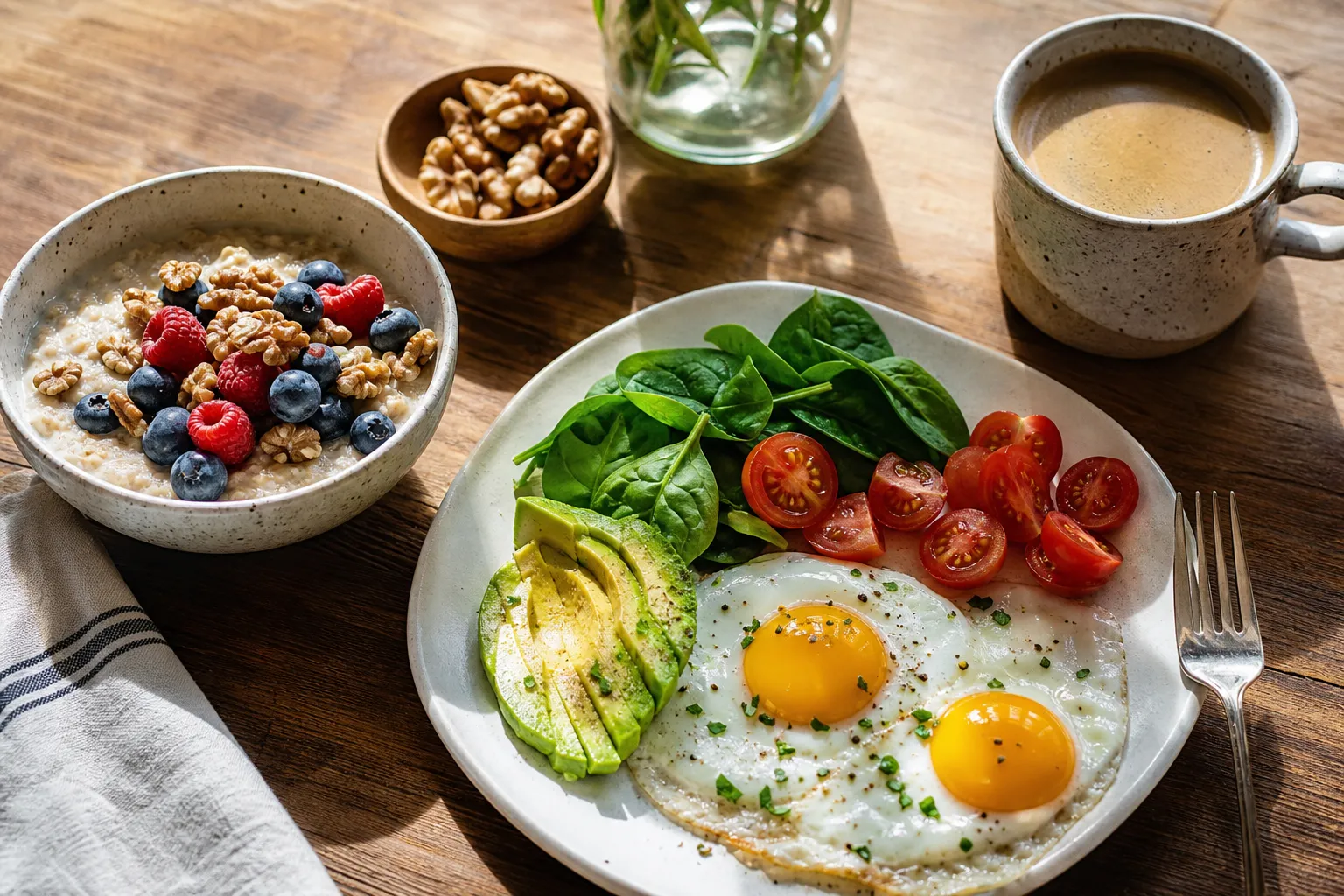
Whole grains rarely get the spotlight they deserve in roundups about focus. Yet oats, barley, brown rice, quinoa and wholegrain breads can be highly practical choices for adults who want meals that feel steadier and more sustaining.
What whole grains are thought to contribute
-
fibre to support balanced eating patterns
-
slower-digesting carbohydrate than many refined alternatives
-
a useful base for meals that combine with beans, fish and vegetables
This is another content gap worth fixing. Many articles highlight specific “brain superfoods” but underplay how much concentration can suffer when meals are skipped or built around rapidly digested, low-fibre foods.
Easy ways to use them
-
porridge with berries and nuts
-
quinoa salad with chickpeas and spinach
-
brown rice with salmon and broccoli
-
wholegrain toast with eggs and avocado
If you want more on practical whole-food nutrition, our guide to what am I eating explores how food quality shapes daily wellbeing.
9. Coffee and tea
Coffee and tea are common inclusions because caffeine can support alertness in the short term. That is different from saying they improve long-term brain health on their own.
What coffee and tea are thought to contribute
-
short-term support for alertness and concentration
-
polyphenols, especially in tea and coffee
-
a more supportive alternative to high-sugar energy drinks for many adults
A balanced view
-
too much caffeine can worsen jitters, poor sleep and next-day focus
-
timing matters; late caffeine can easily disrupt sleep quality
-
what you add matters too, especially large amounts of sugar and syrups
So yes, coffee and tea can fit. But they work best as part of a strong overall routine, not as compensation for poor sleep and irregular meals.
10. Dark chocolate and cocoa
Dark chocolate often appears in lists because cocoa contains flavonoids. It can absolutely fit into a balanced diet, but context matters.
What dark chocolate is thought to contribute
-
cocoa flavonoids
-
enjoyment and dietary satisfaction
-
a more nutrient-rich option than many confectionery products when chosen carefully
Choose darker options with a higher cocoa content, and think of them as a small supporting food rather than a headline strategy.
11. Fermented foods and gut-friendly choices
This is another area many competitors mention only briefly. The gut-brain connection is receiving growing interest, and while the science is still evolving, it makes sense to include foods that support a varied, fibre-rich dietary pattern.
Foods to consider
-
plain yogurt with live cultures
-
kefir
-
sauerkraut or kimchi in small amounts
-
fibre-rich foods that feed beneficial gut bacteria, such as beans, oats, onions and leeks
This does not mean fermented foods are magic. It means brain-friendly eating is not only about fats and antioxidants; gut health, meal regularity and fibre intake matter too. If this area interests you, our article on natural supplements for gut health explains where food still comes first.
12. Colourful vegetables beyond greens
Greens deserve their reputation, but orange, red and purple vegetables also expand the mix of carotenoids, vitamin C and polyphenols in the diet. Sweet potatoes, peppers, beetroot, tomatoes, carrots and aubergines all help widen the nutrient base of your meals.
Why variety matters
Many articles focus on a handful of celebrity foods. In practice, one of the smartest moves is simply increasing plant diversity across the week. That helps avoid turning brain health nutrition into a short list of foods you get bored of.
What to eat in a typical day
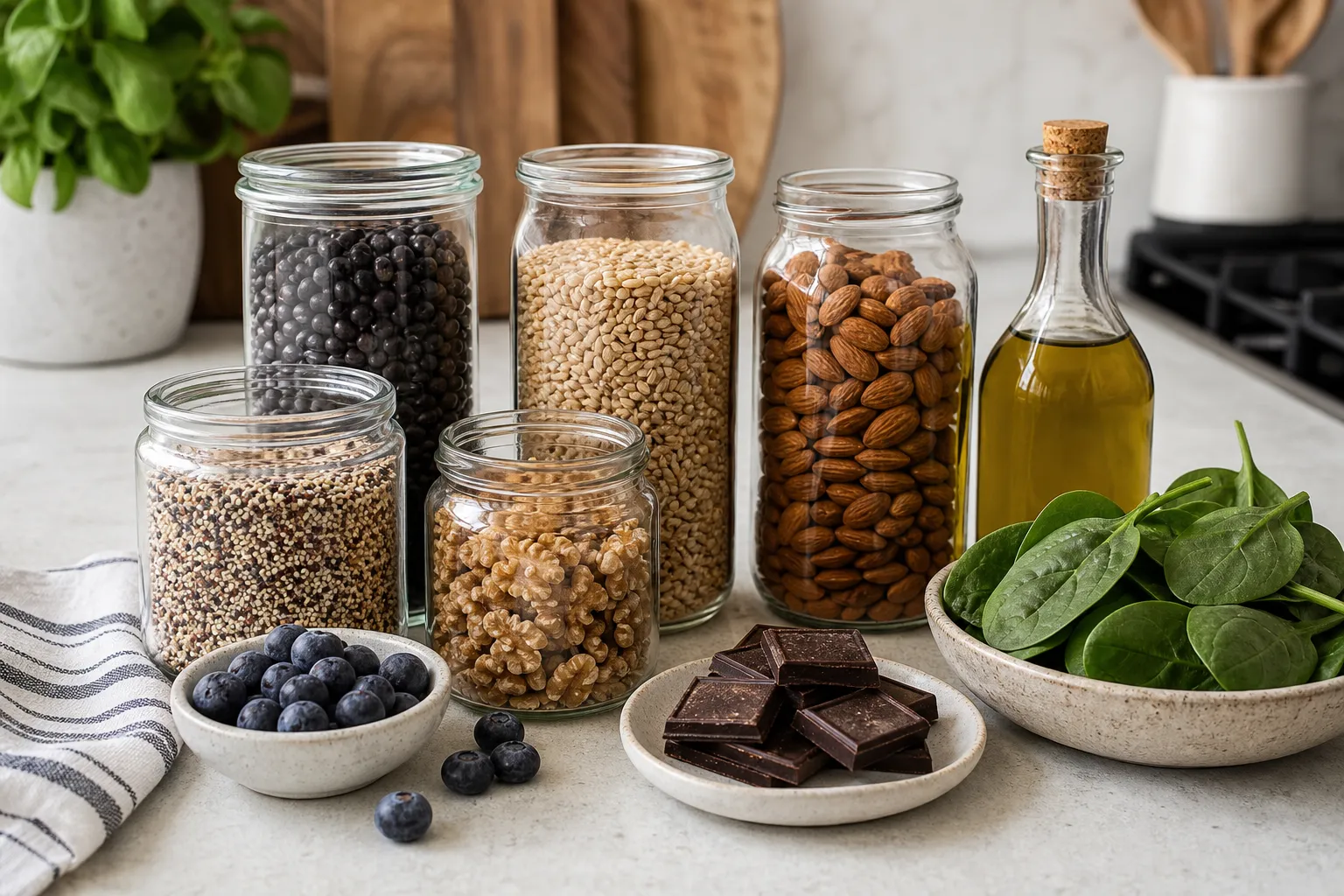
A food-first approach becomes more useful when it looks realistic. Here is a simple framework rather than a rigid plan.
Breakfast
-
porridge made with oats
-
berries
-
walnuts or mixed seeds
-
plain yogurt or eggs on the side if wanted
-
tea or coffee if it suits you
Lunch
-
big salad with leafy greens
-
chickpeas, lentils or grilled fish
-
olive oil dressing
-
wholegrain bread or quinoa
Snack
-
fruit plus a handful of nuts
-
or plain yogurt with berries
Dinner
-
salmon, sardines or a bean-based main
-
broccoli or mixed vegetables
-
brown rice, barley or potatoes
-
olive oil and herbs
Dessert
-
fruit
-
or a small portion of dark chocolate
This style of eating does not need to be perfect to be useful. Repetition beats intensity.
When food habits matter more than buying a brain supplement
This is one of the most important points in the article.
If your meals are irregular, low in fibre, low in protein, heavily reliant on ultra-processed snacks, or short on fruit and vegetables, then improving those basics is likely to matter more than adding a specialist supplement.
Food habits should come first when:
-
you often skip meals and then crash later
-
most lunches are beige convenience food
-
you rarely eat fish, beans, nuts or leafy vegetables
-
your fruit and vegetable intake is inconsistent
-
your sleep is poor and caffeine is doing too much heavy lifting
-
you are looking for a quick fix instead of a repeatable routine
A supplement cannot replace those foundations. It may have a place in some people’s routines, but it should not be the first lever you pull when the basics are missing.
Questions worth asking before buying anything
|
Question |
Why it matters |
|---|---|
|
Am I eating enough whole foods each week? |
Variety usually beats isolated ingredients |
|
Do my meals contain protein, fibre and healthy fats? |
These help meals feel more balanced and sustaining |
|
Am I relying on caffeine instead of sleep? |
Poor sleep can overshadow other efforts |
|
Do I mostly want convenience? |
If yes, improve meal structure before chasing claims |
|
Have I mistaken “supplement” for “solution”? |
Foundations usually matter more |
The bigger picture: lifestyle still counts
No article on food for focus is complete without this reminder: diet does not work in isolation.
Other habits that shape brain health and day-to-day focus
-
consistent sleep
-
regular movement
-
blood pressure and cardiovascular health
-
stress management
-
social connection
-
avoiding smoking
-
keeping alcohol within sensible limits
This is why the strongest brain-health advice can feel almost boring. It is not built around hacks. It is built around repeatable fundamentals.
How to shop for these foods without overcomplicating it
You do not need an expensive “brain health haul.” A simple shopping list goes a long way.
A practical weekly basket
-
frozen berries
-
spinach or mixed leaves
-
broccoli or Brussels sprouts
-
tinned sardines or salmon
-
eggs
-
extra virgin olive oil
-
oats
-
chickpeas, lentils and beans
-
walnuts or mixed nuts
-
wholegrain bread or brown rice
-
plain yogurt
-
dark chocolate
Frozen, tinned and dried options all count. Nutritional value is shaped by the overall pattern, not whether every ingredient is fresh from a farm shop.
A balanced note on convenience
Whole foods should stay at the centre of the conversation. But real life is busy, and some days variety slips.
On days when a wide range of whole foods is less practical, Organic Superfoods Powder can be a convenient addition alongside, not instead of, a varied balanced diet.
Final thoughts
The best superfoods for brain health and focus are not exotic. They are the familiar foods that keep showing up because they help form a consistently better way of eating: oily fish, berries, leafy greens, beans, nuts, whole grains, olive oil, eggs and plenty of colourful plants.
The real opportunity is not finding one perfect food. It is building meals that make these foods easier to eat regularly. For most adults, that will matter far more than jumping straight to a supplement aisle.
At InfiniVit, we believe the most trustworthy wellness advice respects that order: food first, habits second, and convenience tools only where they genuinely fit around a strong nutritional foundation.
FAQ
What are the 9 neuro foods?
There is no single official list, but a practical group often includes oily fish, leafy greens, berries, nuts, beans, whole grains, olive oil, eggs and yogurt. These foods are commonly discussed because they help create an overall dietary pattern that supports long-term health, including brain health.
What are 12 superfoods that can potentially improve brain health?
A balanced list would include salmon, sardines, spinach, kale, broccoli, blueberries, strawberries, walnuts, beans, oats, olive oil and eggs. The value comes less from any one item and more from eating these foods regularly as part of a varied, minimally processed diet.
What are the three main foods that fight memory loss?
No food can guarantee that outcome, but the strongest recurring categories are leafy greens, berries and oily fish. They appear often in research-based articles because they contribute important nutrients and fit into heart-supportive dietary patterns linked with healthy ageing.
What to drink for brain memory?
Water should still be the foundation, since hydration supports normal day-to-day function. Coffee and tea may also help with short-term alertness for some adults, but they work best in moderation and are not a substitute for good sleep and regular meals.
What kills brain cells the most?
Brain health is influenced by many factors, but major risks include smoking, heavy alcohol use, poor sleep, unmanaged cardiovascular health and a consistently poor-quality diet. Rather than focusing on one culprit, it is more useful to improve the daily habits that protect overall health.
What is the number one fruit for reversing memory loss?
There is no single fruit that reverses memory loss. Berries, especially blueberries and strawberries, are often highlighted because they contain flavonoids and fit easily into a healthy eating pattern, but they should be seen as part of a broader food-first approach.