
 English
 Arabic
 Polish
 Russian
To improve gut health as a woman, start with regular meals, varied sources of fibre, enough water and daily movement. If bloating or a change in bowel habits persists, arrange an assessment rather than blaming hormones or buying a probiotic. Good women’s digestive health begins with knowing which changes you can manage yourself and which deserve medical attention.
Women’s digestive health starts with a food-first checklist
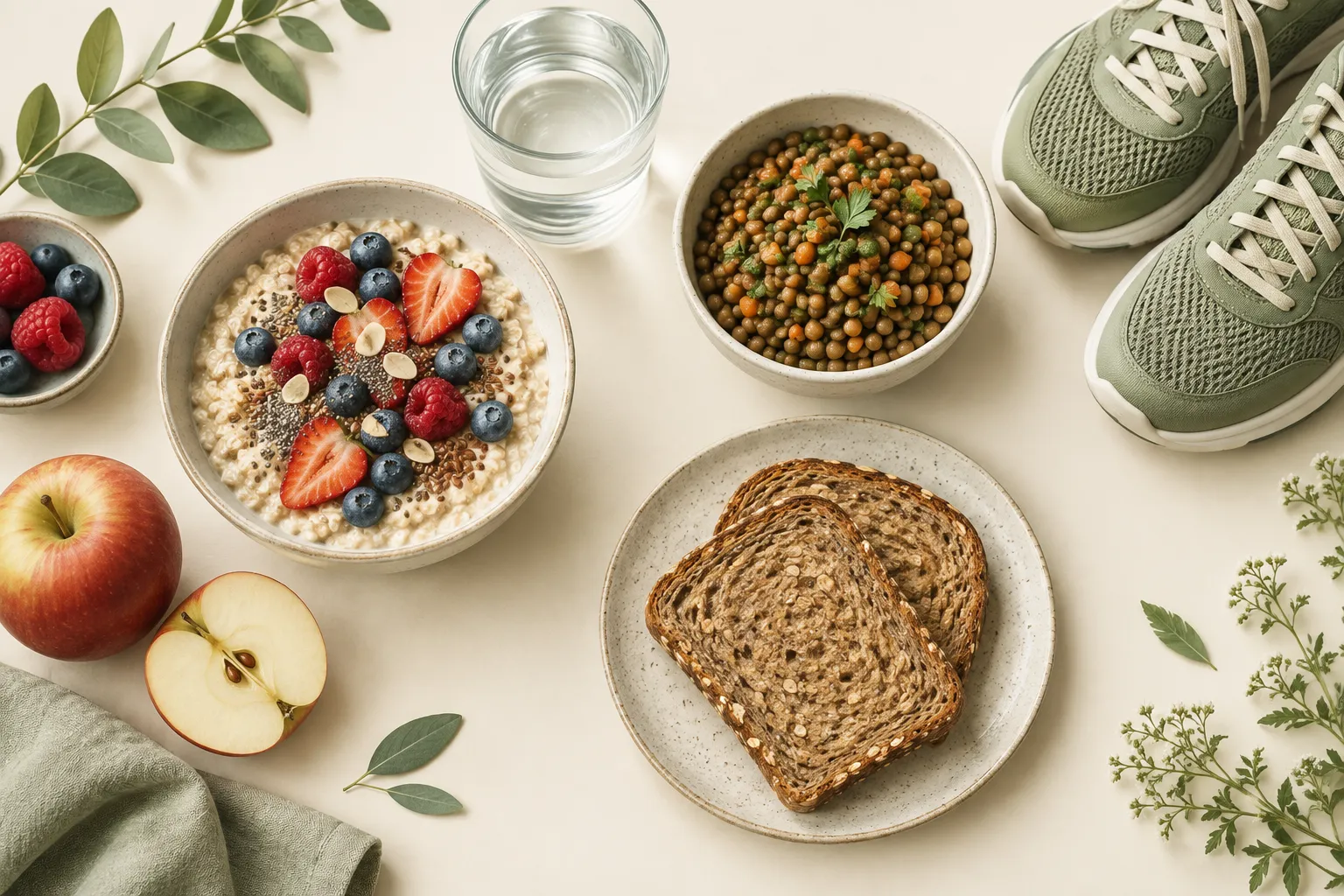
Pick one of these changes to try first. If you change your diet, meal timing and exercise all at once, it is harder to tell what helped.
-
Build fibre into ordinary meals. Try oats or wholegrain toast at breakfast and fruit or vegetables at lunch. Add beans, lentils or wholegrains in portions that suit you. Increase fibre gradually; a large serving of pulses can leave you windier if you are not used to them.
-
Drink water through the day. This matters if your stools are hard, especially as you add fibre. Keeping a glass by your meals may be easier than trying to catch up in the evening.
-
Slow down at meals. Chew with your mouth closed and notice whether large late meals or fizzy drinks make you uncomfortable. If they do, try smaller meals.
-
Move most days. A walk will do. The NHS recommends regular exercise to help with digestion and bloating.
-
Keep a short symptom record. Note bowel movements, meals, medicines and where you are in your menstrual cycle. One uncomfortable afternoon does not make a food a permanent problem; look for a pattern.
“Government guidelines say our dietary fibre intake should increase to 30g a day, as part of a healthy balanced diet.” – NHS
|
If the main problem is… |
Start with… |
Avoid jumping straight to… |
|---|---|---|
|
Hard stools or infrequent bowel movements |
Gradual fibre increases, water and movement |
A probiotic as the only answer |
|
Wind after meals |
Meal size, fizzy drinks, eating pace and particular foods |
Cutting out entire food groups indefinitely |
|
Bloating around a period |
Recording when it happens and whether it resolves |
Treating every later episode as hormonal |
What belongs on the plate?
No single food “heals” the gut. Oats, fruit, vegetables, pulses and wholegrains provide different kinds of fibre. If beans or brassicas make you windy, try a smaller portion. Oats and linseed are useful sources of soluble fibre when constipation is part of the problem.
Prebiotic fibre and fermented foods are not the same thing
Onions, oats and pulses contain prebiotic fibres that feed gut bacteria. Yoghurt belongs to a different group of foods: fermented foods. You do not need a set quota of either. Start with a small portion if a new fibre-rich food makes you bloated, since even nutritious foods can give some people gas.
If you dislike yoghurt or cannot tolerate it, leave it out. An ordinary, varied diet is easier to keep up than a specialist shopping list.
Why women get bloated: common causes before hormone theories
The NHS advice on bloating identifies gas, swallowed air, constipation and food intolerance as possible causes of abdominal fullness or discomfort. Coeliac disease and irritable bowel syndrome (IBS) are other possibilities that need a proper assessment rather than a self-prescribed supplement. Bloating may also happen around a period.
A cycle link is more plausible if symptoms return at a similar point and then settle. Menstruation, perimenopause and stress do not explain persistent or worsening bloating on their own. Tell your clinician about any recurring pelvic symptoms as well as your bowel symptoms.
A food diary may reveal a pattern, but it cannot diagnose an intolerance. Long elimination diets can restrict your meals without telling you why you feel unwell. Get professional help before cutting out several foods.
Can a period affect bowel habits?
Yes, some people feel bloated around their period. Record when the discomfort starts, whether it settles, and any constipation or loose stools. Over several cycles, you may see whether a familiar short-lived pattern has changed. Bloating throughout the month needs its own explanation.
Stress, sleep and the gut
Stress can coincide with an upset stomach or altered bowel habits. Busy days can also mean rushed meals, less sleep and little movement. You could start with a proper lunch break or a walk, then notice whether it helps. Still, do not put bleeding, weight loss or persistent abdominal pain down to stress.

When is a digestive supplement worth considering?
Decide what you need help with before buying a supplement. A fibre product might help you add a particular type of fibre when food changes are hard to maintain. Keep eating varied meals, and get ongoing symptoms assessed. You can read what vitamins can and cannot do for gut health if you are weighing up ingredients. A pharmacist can also advise on options for constipation or bloating.
Are probiotics recommended for every woman?
No. Probiotics are live bacteria or yeasts found in supplements and some yoghurts. The NHS guidance on probiotics notes some evidence that they may ease certain IBS symptoms, alongside little evidence for many broader claims. Different types can have different effects, so a result for one product and symptom does not carry over to another. Do not rely on a probiotic to treat IBS or “balance hormones”.
If you are otherwise well and want to try one, choose a clearly labelled product and judge whether it helps the specific symptom you are tracking. Do not assume that more strains or a bigger number on the pack means better results. If you have a weakened immune system or an existing health condition, speak to a doctor before taking a probiotic supplement.
InfiniVit offers thoughtfully formulated nutrition products with clear supplement information. Once you know what you need, you can explore its range without treating a supplement as a replacement for meals or medical care. Its UK guide to gut health supplements discusses the wider choices.
When to get symptoms checked
Book a GP appointment if bloating keeps returning, does not go away or persists after dietary changes. Do the same if you notice unintentional weight loss or blood in your poo. Tell your GP about bowel changes and symptoms that continue beyond your usual cycle pattern. Most bloating is not serious, but persistent bloating can sometimes signal a more serious condition.
The NHS advises an urgent GP appointment or 111 for bloating with vomiting, diarrhoea or constipation, stomach ache, fever, a tummy lump, or inability to pee, poo or pass wind. Call 999 or go to A&E if a swollen abdomen comes with suddenly severe stomach pain, vomiting blood or severe difficulty breathing.
Take your symptom record along even if you think you know the trigger. It gives your GP a clearer picture of what has changed and whether things are improving.
What to bring to a GP appointment
Note when the symptoms began, whether they are new for you and how often they occur. Bring details of bowel changes, abdominal pain, medicines, dietary changes and any connection to your period. Mention unexplained weight loss, blood in stools or pelvic symptoms plainly. Your GP can decide whether you need an examination, tests or a referral; a commercial microbiome panel or a broad “hormone balance” test is not the first step for every case of bloating.
The sensible starting point
Start with food, water and movement, then see whether symptoms follow a repeatable pattern. If they persist or come with warning signs, get them assessed even if they seem to coincide with your cycle. A supplement makes sense only when you have a specific reason to use it. InfiniVit is worth a look if you want considered formulations and clear information, provided you judge the product against your own needs rather than treating it as a cure.
FAQ
Should I take a probiotic if I’m constipated?
Not necessarily. Try increasing fibre gradually, drinking water and moving more; a pharmacist can advise on constipation options if that does not help. Probiotics will not address every cause of constipation, so speak to a GP if it persists or your bowel habits change.
How to heal your gut as a woman?
Start with varied fibre-rich meals, enough fluid and regular movement. Keep a record if symptoms appear to follow meals or your cycle. Get persistent or worsening symptoms assessed rather than assuming they are hormonal; no single routine will fix every gut problem.
What are the four foods that heal your gut?
No four foods can heal every digestive problem. Oats, fruit, vegetables and pulses can add variety and fibre to meals if you tolerate them. Increase fibre gradually and seek advice if symptoms persist.