 English
 Arabic
 Polish
 Russian
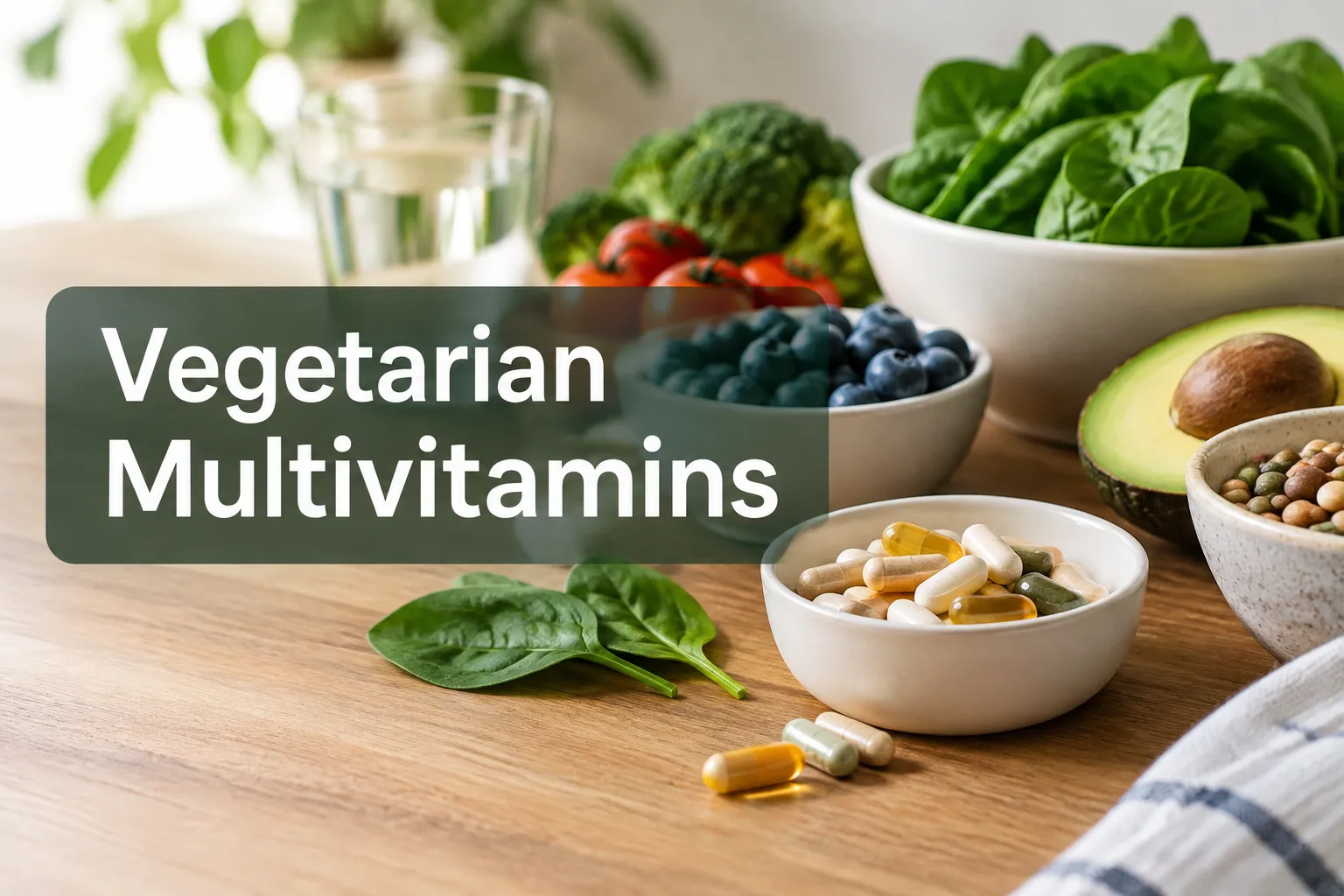
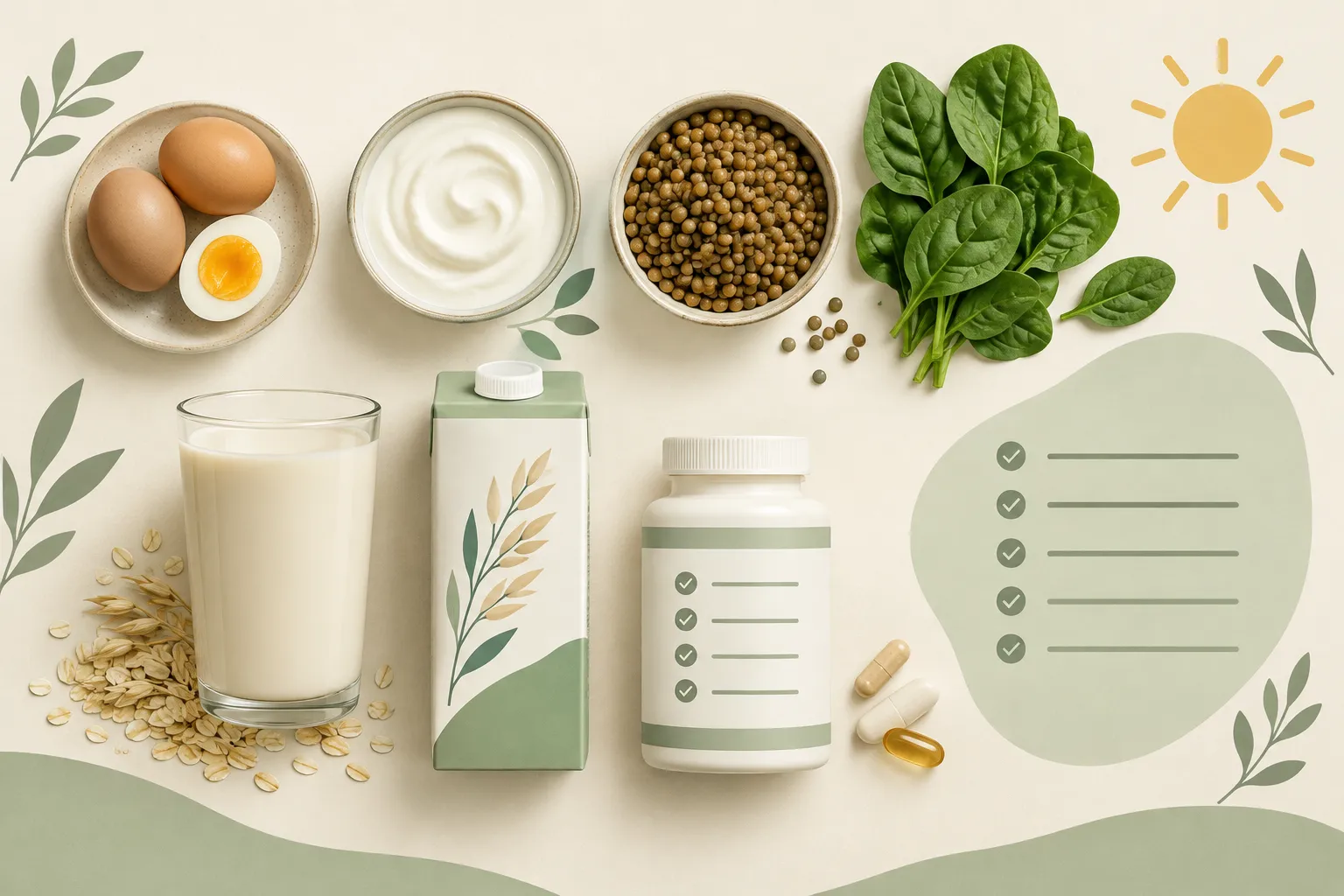
Most UK vegetarians can decide whether to use a multivitamin based on what they eat. Eggs and dairy may supply B12; vitamin D follows UK-wide advice; and iron needs vary with food intake and menstrual losses. Choose a formula that covers gaps you have identified without piling on nutrients you already get.
The video discusses nutrients in vegan diets. If you eat eggs or dairy, the comparison below will help you put that advice in context.
Do vegetarians need a multivitamin?
A varied vegetarian diet can supply many nutrients through pulses, wholegrains, nuts, seeds, vegetables, eggs and dairy or fortified alternatives. If you struggle to get several nutrients, a multi may be convenient. If you lack one, a targeted supplement may be enough. Food still forms the basis of your diet, and a diagnosed deficiency needs an appropriate treatment plan.
Think about an ordinary week: how often do you have eggs, dairy, fortified plant milk and iron-rich meals? That pattern is more useful than a bottle marked “complete”. The NHS vegetarian diet guidance sets out the food sources behind those questions.
|
Your situation |
More useful first step |
|---|---|
|
Regular eggs or dairy, varied meals, no identified gap |
Consider whether you need a multi at all; follow UK vitamin D guidance separately. |
|
Little or no eggs, dairy or fortified food |
Assess B12 and the other nutrients you may no longer get from animal products. |
|
Concern about iron, heavy periods or persistent tiredness |
Seek medical advice about testing rather than taking a high-iron formula on a guess. |
|
Several dietary gaps, or a restricted menu |
Compare a vegetarian-labelled multi against the gaps you have identified. |
Vegetarian versus vegan requirements
Eggs and dairy give some vegetarians food sources of B12. Dairy can also contribute calcium and iodine. If you rarely eat either, you may need to plan these nutrients much as a vegan would.
|
Nutrient question |
Vegetarian eating eggs and dairy |
Vegan eating no animal products |
|---|---|---|
|
B12 source |
Eggs and dairy may contribute; intake depends on amounts eaten. |
Needs a dependable source from fortified food or supplementation. |
|
Calcium and iodine |
Dairy may contribute, depending on the diet. |
Fortified alternatives and other planned sources matter more. |
|
Supplement ingredients |
May accept milk-derived ingredients or wool-derived vitamin D, but not gelatin if avoiding animal tissue. |
Must exclude all animal-derived ingredients, including dairy and wool-derived vitamin D. |
A vegan-labelled product can suit vegetarians too. A vegetarian label does not, however, make a product suitable for vegans. For the stricter dietary requirements, see Best Vegan Supplements in the UK.
Nutrients to assess before buying
Vitamin B12: count your actual sources
B12 helps your body make red blood cells and supports the nervous system. Eggs, milk, cheese and fortified foods may contribute to your intake. If you seldom eat them, you need a dependable source from fortified food or a supplement. A multi makes sense if you also need other nutrients; otherwise, B12 on its own may be simpler.
Fatigue alone cannot tell you whether your B12 is low. If symptoms persist or your diet is restrictive, speak to a clinician about assessment rather than relying on a general multi.
Vitamin D: apply UK guidance to everyone
UK vitamin D advice applies whether you eat dairy, eggs or neither. During autumn and winter, adults should consider a daily supplement containing 10 micrograms (400 IU) of vitamin D. The NHS advises people with little or no sun exposure to take this amount throughout the year; people with dark skin should also consider it year-round. Compare a multi’s daily serving with that amount, including any separate vitamin D you take.
“Adults should consider taking a daily supplement containing 10 micrograms of vitamin D during the autumn and winter.” – NHS
Vitamin D2 can suit vegans. D3 can come from lanolin (sheep’s wool) or lichen, so a vegetarian might accept a D3 product that a vegan would avoid. “D3” by itself does not identify the source. Our vitamin D supplement label guide explains forms and doses in more detail.
Iron: do not buy the highest dose by default
Beans, lentils, tofu, seeds and leafy greens can supply iron. Your body absorbs plant iron less readily than iron from meat; vitamin C with an iron-rich meal can help. Tea and coffee with meals can reduce absorption.
The iron dose in a multivitamin for vegetarian women should reflect food intake, menstrual losses and health history, rather than a blanket “high strength” claim. Likewise, men need not choose a formula with iron just because the packaging says “comprehensive”. If you suspect iron deficiency, ask about a blood test and an appropriate dose before taking extra iron.
Iodine, calcium, zinc and omega-3
Your usual meals determine how much attention these nutrients need. Dairy can supply iodine and calcium; some plant drinks supply calcium if fortified. If you avoid dairy and eggs, the NHS iodine guidance explains the role of iodine-fortified foods or a supplement. Pulses, wholegrains, nuts and seeds contribute zinc. Flaxseed, chia and walnuts provide ALA, a plant omega-3 fat. Algae oil is a separate option for DHA and EPA, which standard multis rarely provide in meaningful amounts.
A long ingredient list tells you little about the dose. Read the amounts per daily serving.
How to choose a vegetarian multivitamin
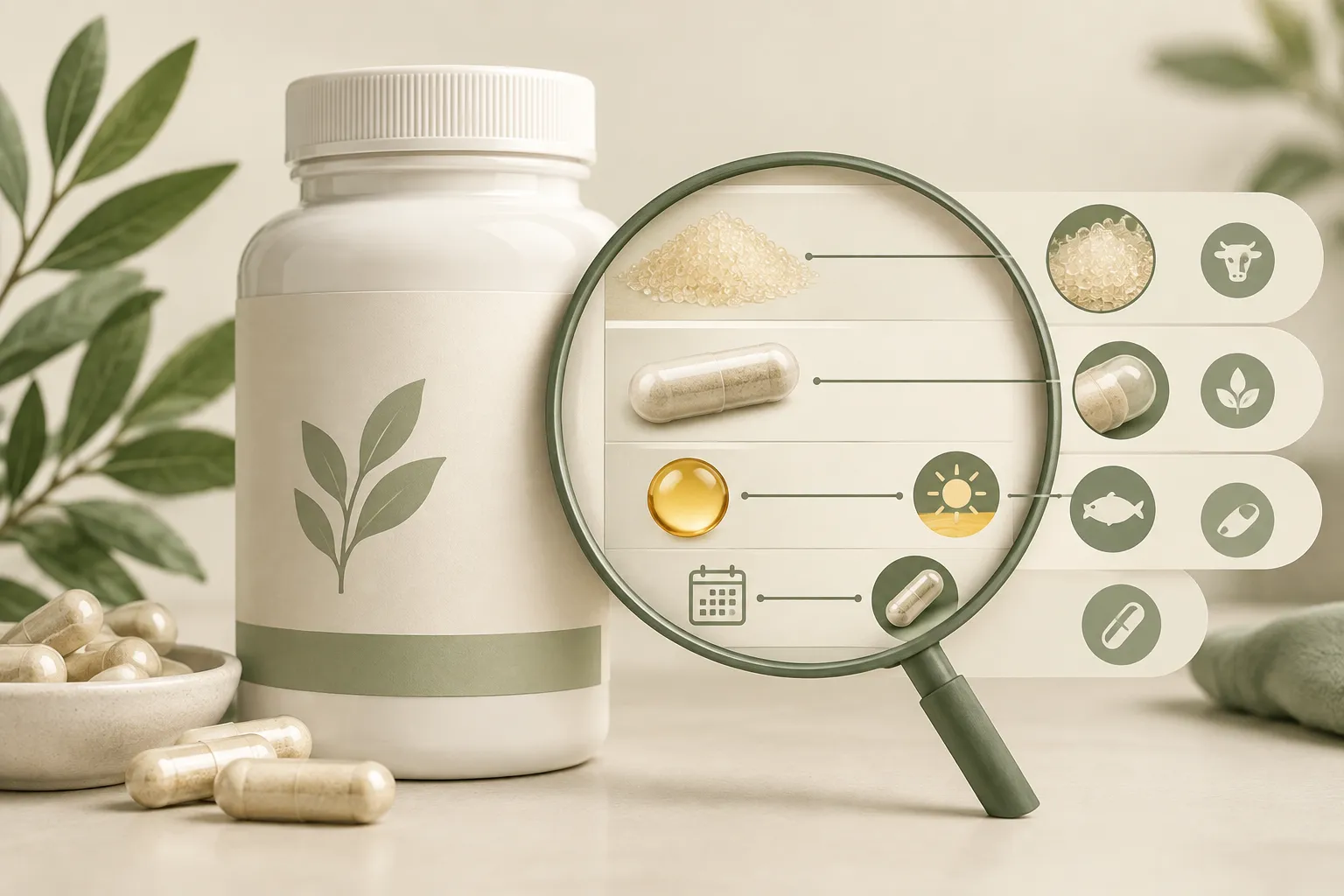
Look for ingredients you are comfortable taking and doses that fit alongside your food and other supplements. Our UK supplement quality checklist can help you assess claims and labelling. When comparing multivitamins for vegetarians, start here:
-
Read the full ingredient list. Look for an explicit vegetarian suitability statement for the exact product and format. Gelatin in a capsule shell or gummy is not vegetarian. HPMC or cellulose capsules and pectin-based gummies may be suitable, but the whole formulation still matters.
-
Identify ingredient origins. D3 can be wool-derived or lichen-derived. Also check less obvious ingredients, such as fish oil, collagen and animal-derived coatings. “Natural” is not a dietary certification.
-
Check amounts per daily serving. A serving may be more than one capsule. Compare B12, D and any iron with your likely intake, rather than selecting the formula with the biggest percentages.
-
Add up overlapping products. A multi plus a separate D, iron or fortified drink may duplicate nutrients. Follow the label instructions and avoid stacking high-dose products casually.
-
Choose a format you can use. Tablets, capsules and gummies differ in ingredients and serving sizes. Convenience matters, but it does not establish suitability.
|
On the pack |
What it actually tells you |
|---|---|
|
“Vegetarian” for this specific product |
A useful suitability statement, subject to the full label and your own boundaries. |
|
“Vegan” for this specific product |
Excludes animal-derived ingredients and is also compatible with vegetarian diets. |
|
“Plant-based” or “natural” |
Marketing wording, not enough on its own to establish dietary suitability. |
|
“Vitamin D3” |
The nutrient form, not whether it came from lichen or wool. |
|
“100% NRV” |
A reference value for the listed nutrient, not a personal prescription or evidence that the product is complete for you. |
Even within one brand, suitability may differ between products. Rely on the label of the one you intend to buy.
Choosing for different life stages
If you menstruate, iron deserves a closer look, especially if periods are heavy. If you are trying to conceive, the NHS recommends 400 micrograms of folic acid daily before pregnancy and for the first 12 weeks. During pregnancy, avoid supplements containing vitamin A as retinol. A regular multivitamin is not automatically a pregnancy supplement; discuss your choice with a pharmacist, midwife or GP.
Men and others who do not menstruate need to judge iron by their diet and health history, not a bottle marked “for men” or “all-in-one”. If you are older, eat a restricted diet or avoid both eggs and dairy, revisit where your B12 comes from. Those differences rule out one universal best multivitamin for vegetarians.
The practical verdict
Choose a vegetarian multivitamin if it covers several gaps you have identified, lists sensible amounts and meets your dietary boundaries. If vitamin D is your only concern, a single-nutrient product may be simpler. Suspected B12 or iron deficiency needs proper assessment before you reach for an “energy” blend.
InfiniVit has targeted supplements and multi-ingredient formulations in its UK range, so you can compare a focused option with a broader blend. Its emphasis on clear supplement communication helps when you are matching ingredients to your diet. The range does not guarantee that any one product is vegetarian or contains B12, iron or vitamin D: use that product’s label to decide. Explore InfiniVit’s range.
FAQ
What is the best vegetarian multivitamin?
The best choice is a product explicitly suitable for vegetarians whose daily serving covers nutrients you need without unnecessary overlap. Compare B12, vitamin D and iron with your diet and any other supplements, and inspect the entire ingredient list, including the capsule or gummy base.