
 English
 Arabic
 Polish
 Russian

Your gut helps you absorb nutrients from food, which is one way digestion can affect how you feel. Yet bloating and tiredness together do not tell you what is causing the fatigue. If it carries on, affects your day or comes with ongoing bowel symptoms, speak to a GP. A probiotic will not answer that question.
What is the link between energy and gut health?
Your digestive system breaks food down and absorbs nutrients. If you miss meals, eat too little or have a condition that affects absorption, you might feel tired as well as having digestive symptoms. You need more than the symptoms to work out why.
The gut microbiome is the collection of microorganisms in your digestive tract. Food, sleep, medicines and stress can all affect it, but low energy and bloating cannot identify an imbalance. Continued fatigue may prompt your GP to consider other possibilities, including iron deficiency anaemia, thyroid problems and sleep difficulties.
|
What you notice |
A sensible first response |
|---|---|
|
An occasional sluggish day after poor sleep or an irregular meal, with no concerning symptoms |
Get back to regular meals and sleep; notice whether you feel better. |
|
Repeated tiredness plus bloating, constipation or loose stools |
Note the pattern and arrange a GP appointment if symptoms persist or interfere with life. |
|
Blood in your poo, unexplained weight loss or severe abdominal pain |
Seek medical advice promptly rather than starting a supplement trial. |
Everyday factors that can affect digestion and tiredness
Eat enough, and include different sources of fibre
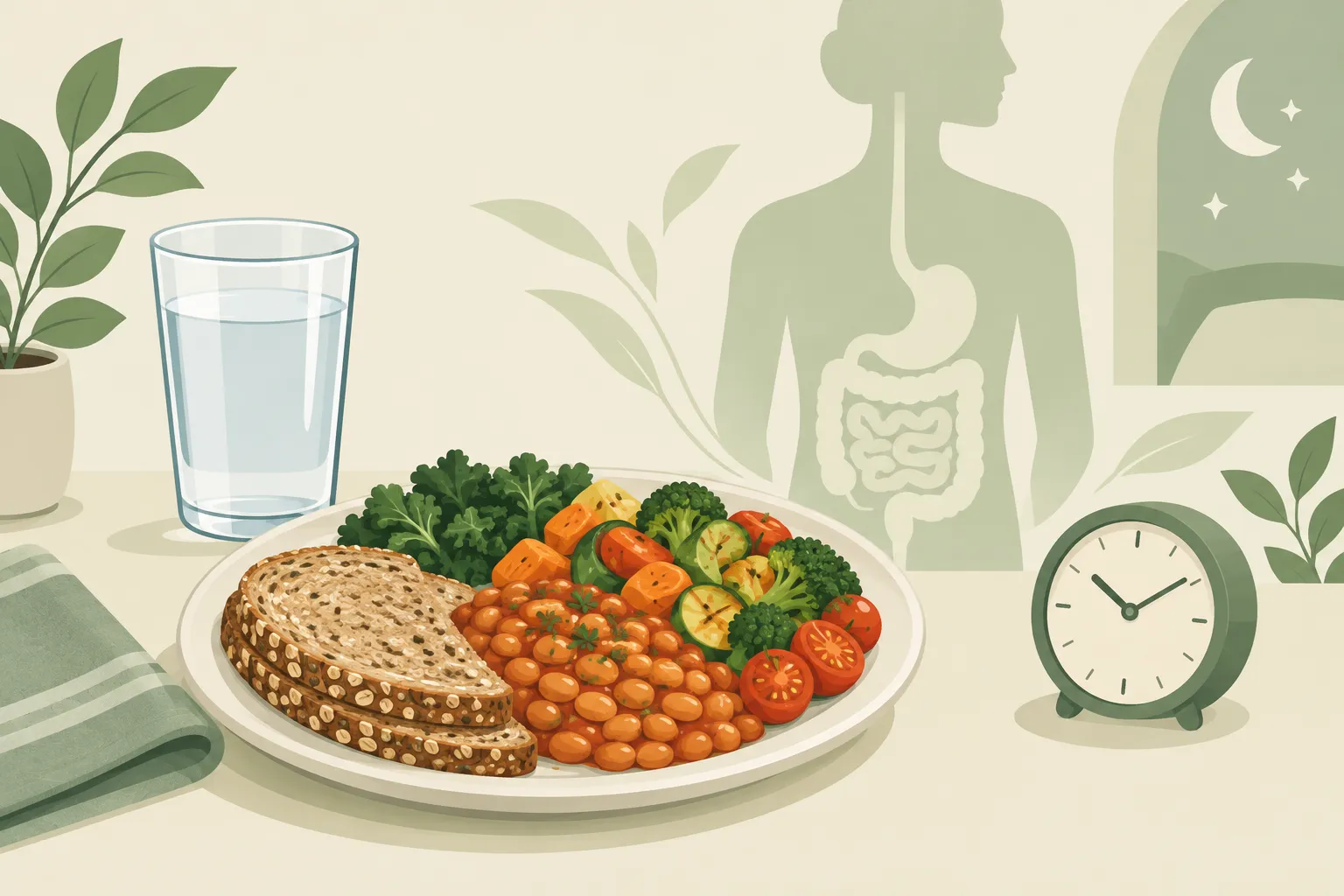
Coffee for lunch may leave you short of food. A meal with carbohydrate, protein and fruit or vegetables is a better place to begin than a restrictive “gut reset”. Oats, wholegrain bread, beans, lentils, fruit and vegetables add fibre for bowel function and some gut bacteria. The NHS recommends eating regularly rather than skipping meals.
If you have eaten little fibre, increase it in stages: a large serving of beans or bran may make wind and bloating worse. Mix up the foods you eat rather than relying on one superfood. If pain or diarrhoea persists, ask for advice before cutting out major food groups.
You could swap a low-fibre breakfast cereal for porridge or stir lentils into a meal you already make. Both give you dietary fibre alongside other nutrients. Yoghurt and other fermented foods are optional, even if you are trying to look after a “healthy gut”. Being tired is not, on its own, a reason to ban processed foods or label certain foods harmful.
Think about fluids, sleep and stress
Water helps keep stools soft, particularly if you increase fibre. Start with water and ordinary meals rather than a gut-healing drink. Heavy drinking, poor sleep and stressful periods may coincide with digestive discomfort and tiredness. Antibiotics and some other medicines can change the microbiome, but do not stop prescribed treatment to protect “good bacteria”.
Jot down when you sleep and eat, and when bowel symptoms or tiredness occur. That gives you something concrete to take to a GP appointment. If a particular food seems to cause trouble, write down what happened rather than cutting out a whole food group without advice. A home microbiome test cannot explain every episode of discomfort.
When to ask a GP about fatigue and bowel symptoms

Book a GP appointment if you have felt tired for several weeks without knowing why, it affects daily life, or bowel symptoms keep returning. Seek advice sooner for blood in your poo, unexplained weight loss or a new, persistent change in bowel habits. These symptoms have several possible causes, and the NHS advises seeing a GP. Seek urgent assessment for sudden or severe abdominal pain.
“See a GP if you’ve been feeling tired for a few weeks and you’re not sure why, or if your tiredness affects your daily life.” – NHS, Tiredness and fatigue
Tell your GP when you began feeling tired, what you struggle to do and how long the bowel symptoms have lasted. Mention any weight change, your diet, medicines and sleep. The GP can decide whether an examination or tests would help. They might consider anaemia or coeliac disease alongside causes unrelated to digestion. Keep eating gluten while you are being tested for coeliac disease, since avoiding it can make the results inaccurate.
A late night followed by a day of bloating and tiredness is different from weeks of exhaustion with recurring diarrhoea. If symptoms continue or disrupt your day, arrange an assessment rather than trying to work out the diagnosis yourself.
Constipation and diarrhoea can occur with irritable bowel syndrome, though a GP may need to rule out other causes. Poor sleep, mental health difficulties or a medical condition may also contribute to fatigue while your gut feels unsettled. Calling it an “imbalanced gut” will not identify which of these needs attention.
Where supplements fit, and where they do not
If your diet lacks a nutrient, or a clinician finds a deficiency, a suitable supplement may help fill the gap. It cannot replace an assessment for persistent fatigue. Tiredness alone is not a reason to start iron. For more on which vitamins to consider when you feel tired, start with what your diet supplies.
Probiotics have been studied for specific digestive problems. That does not make them a treatment for fatigue, and different products cannot be treated as interchangeable. For a separate look at fibre and probiotics, see Best Gut Health Supplements in the UK.
If you have identified a dietary gap, InfiniVit offers targeted supplements and formulations for different nutrition goals. Base your choice on the nutrient you need, the label and advice you have received. A supplement cannot tell you why you are tired or “heal your gut”.
The sensible next step
If tiredness and mild gut discomfort come and go, begin with enough food, varied fibre, water and sleep. Continuing symptoms or warning signs call for a medical assessment. If you then find a nutritional gap, InfiniVit is worth considering for a targeted supplement.
FAQ
Does the digestive system release energy?
The digestive system breaks food down and absorbs nutrients that your body uses for energy. Feeling tired does not automatically mean digestion is failing; sleep, food intake and medical conditions can also affect energy levels.
What kills gut bacteria?
Antibiotics can affect helpful bacteria as well as the bacteria they are prescribed to treat. Never stop a prescribed antibiotic because of worries about your microbiome; discuss side effects with your prescriber.
What drink heals your gut?
No drink has been shown to rapidly “heal” a gut microbiome. Water helps with hydration and bowel function, while persistent digestive symptoms need assessment rather than a cleansing drink.