
 English
 Arabic
 Polish
 Russian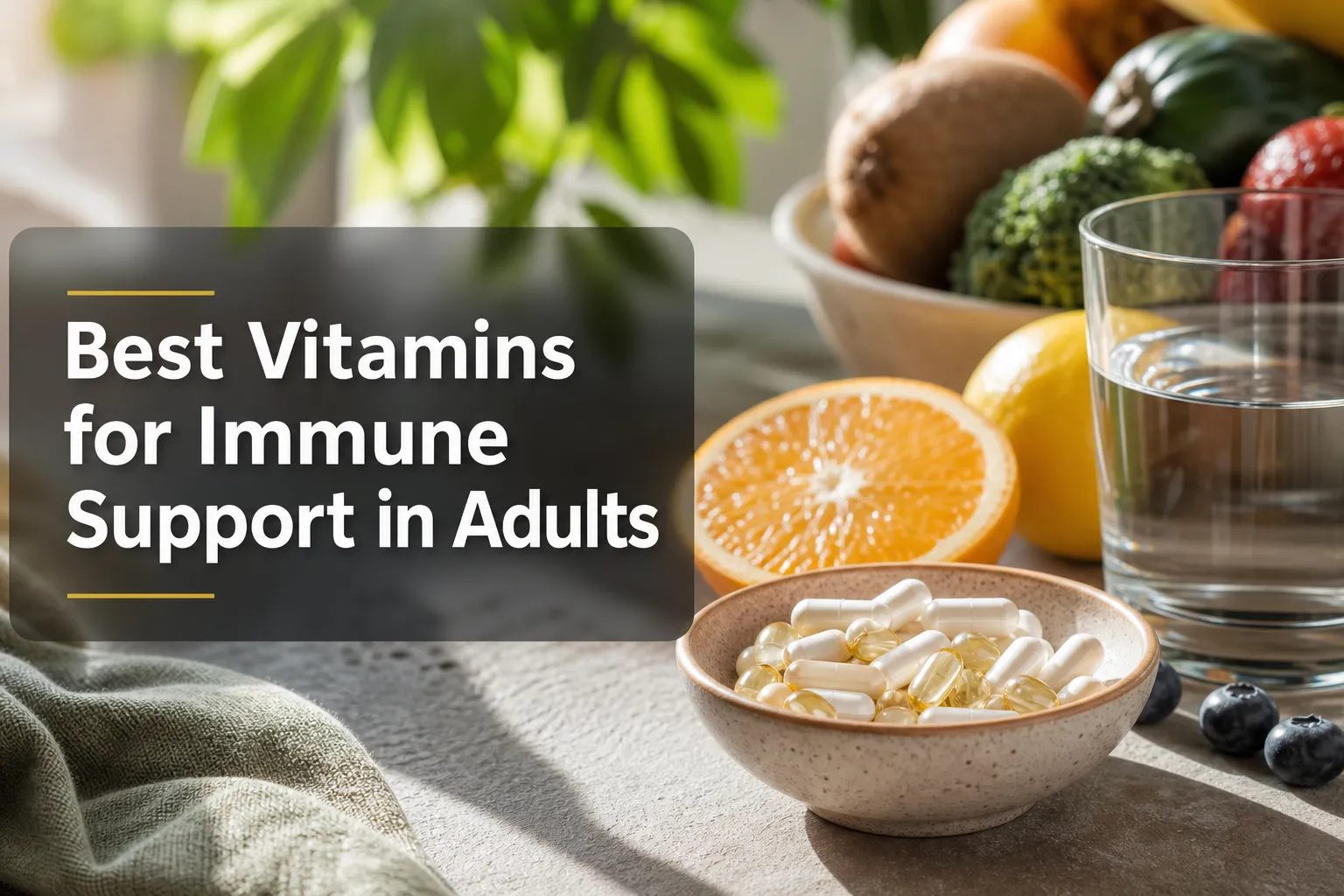
Best Vitamins for Immune Support in Adults
Staying well year-round is rarely about one dramatic intervention. For most adults, immune support comes down to the fundamentals: eating well, sleeping enough, managing stress, staying active, and making sure key nutrients are not falling short. That is why so many people looking for immune support vitamins are really trying to answer a more practical question: which nutrients matter most for everyday immune function, and how do I choose the right supplement without overcomplicating it?
In the UK, four nutrients tend to come up again and again for sensible, evidence-led immune support supplements: vitamin C, vitamin D, zinc, and selenium. Each contributes to the normal function of the immune system, but each plays a slightly different role. The right choice often depends on your diet, the time of year, your routine, and whether you want a single nutrient or a broader blend.
This guide is designed to be more useful than the average overview. Rather than simply listing nutrients, it will help you decide what may fit best based on goal, diet, and season – while keeping expectations realistic. No miracle claims, no “instant immunity” myths, and no cold-cure language. Just a clear UK-focused breakdown of what adults most often consider for everyday immune support.

What “immune support” really means
A well-functioning immune system is not something you “hack” overnight. It is a complex network involving physical barriers like skin and mucous membranes, plus specialised immune cells and signalling systems. Nutrition supports that system by helping the body maintain normal immune responses, protect cells from oxidative stress, and produce or regulate important immune cells.
That is why credible brands and healthcare guidance talk about supporting normal immune function, not “supercharging” immunity.
For adults, the key question is usually not whether supplements can replace healthy habits – they cannot. The better question is whether your diet and lifestyle leave gaps that make targeted nutrition support worthwhile.
Why these four nutrients get the most attention
Vitamin C, vitamin D, zinc, and selenium are common priorities because they all have recognised roles in normal immune function and they each solve a different part of the puzzle:
-
Vitamin C supports immune cell function and helps protect cells from oxidative stress
-
Vitamin D supports normal immune function and is especially relevant in the UK because sunlight exposure changes by season
-
Zinc supports normal immune function and normal cell division
-
Selenium supports normal immune function and helps protect cells from oxidative stress
Together, they form the backbone of many adult immune system support supplements.
Who may be more likely to look for immune support
Not everyone needs the same approach. Adults are more likely to consider nutritional support when they fall into one or more of these groups:
-
People with low dietary variety
-
Adults spending long periods indoors
-
Those wanting extra support during autumn and winter
-
Vegans and vegetarians who may need to plan certain nutrients more carefully
-
Older adults with lower appetite or reduced dietary intake
-
Busy professionals with irregular meals and high stress
-
People looking for a convenient daily routine rather than multiple standalone products
If you suspect a broader pattern rather than a single shortfall, reading about how to know if you may have a weak immune system can help you think more clearly about lifestyle factors as well as supplements.
A quick comparison: vitamin C, vitamin D, zinc, and selenium
|
Nutrient |
What it contributes |
Common UK considerations |
Food sources |
Best suited to |
|---|---|---|---|---|
|
Vitamin C |
Supports normal immune function; helps protect cells from oxidative stress |
Low fruit/veg intake, high stress, convenience support |
Citrus fruits, berries, peppers, broccoli |
Adults wanting everyday antioxidant and immune support |
|
Vitamin D |
Supports normal immune function |
Especially relevant in autumn/winter; limited sun exposure |
Oily fish, egg yolks, fortified foods |
Most UK adults seasonally, especially indoor lifestyles |
|
Zinc |
Supports normal immune function and normal cell division |
Lower animal food intake, restricted diets |
Meat, shellfish, seeds, dairy, legumes |
Adults wanting targeted mineral support |
|
Selenium |
Supports normal immune function; helps protect cells from oxidative stress |
Intake varies with diet; useful in balanced blends |
Brazil nuts, fish, eggs, meat |
Adults wanting a broader micronutrient approach |
Vitamin C for everyday immune support
What vitamin C does
Vitamin C is involved in several aspects of immune function. It helps support the normal function of immune cells and also contributes to the protection of cells from oxidative stress. That second point matters because oxidative stress can increase during periods of physical strain, lack of sleep, or a poor diet.
Vitamin C also supports collagen formation, which is relevant to normal skin function. Since skin is one of the body’s physical protective barriers, that role adds another reason vitamin C is commonly included in immune support products.
Who may want to consider it
Vitamin C is often a practical option for:
-
Adults who do not regularly eat enough fruit and vegetables
-
People with hectic schedules who want convenient nutritional back-up
-
Adults seeking a simple daily nutrient with broad wellness relevance
-
Those who prefer single nutrients they can combine selectively
Good food sources include oranges, kiwi, strawberries, blackcurrants, peppers, tomatoes, broccoli, and Brussels sprouts.
Single nutrient or blend?
If your diet is decent overall and you simply want to top up one area, a standalone vitamin C may make sense. If you are also thinking about zinc or seasonal support, a broader formula may be more convenient.
Within the InfiniVit range, Vitamin C Plus is an example of a direct vitamin C option, while Liposomal Vitamin C may appeal to those specifically looking at alternative delivery formats.
Vitamin D for immune support in the UK
Why vitamin D matters so much in Britain
Vitamin D is one of the most important nutrients to discuss in a UK-focused guide because our sunshine exposure changes dramatically through the year. While some vitamin D comes from food, most people rely heavily on sunlight for production.
That seasonal reality is why vitamin D is often the first nutrient adults think about for immune support during colder months.
“During the autumn and winter, everyone is advised to consider taking a daily supplement containing 10 micrograms of vitamin D.” – NHS
What vitamin D contributes
Vitamin D contributes to the normal function of the immune system, but it is also relevant to bones, muscles, and calcium absorption. That makes it one of the most multifunctional nutrients in wellness routines.
Adults especially likely to think about vitamin D include:
-
Those working indoors most of the day
-
People with very limited sunlight exposure
-
Adults with darker skin tones
-
Older adults
-
Anyone looking to cover the NHS autumn and winter recommendation
Food sources include oily fish, egg yolks, and fortified foods, but diet alone is often not enough for many people.
When a standalone vitamin D makes sense
Vitamin D is one of the clearest examples where a single nutrient can be the right starting point – especially if your main concern is seasonality rather than a full-spectrum formula.
An option such as Liposomal Vitamins D3 + K2 may be relevant for adults who want vitamin D as part of a more considered bone-and-immune-support routine.
If you want a deeper look at UK-specific considerations, see this guide to vitamin D.
Zinc for normal immune function
Why zinc is so commonly included
Zinc contributes to the normal function of the immune system and normal DNA synthesis and cell division. Because immune cells need to develop, signal, and replicate properly, zinc has become a staple in many immune support supplements.
It is also one of the most popular nutrients for adults who prefer mineral-focused support rather than broad multivitamins.
Who may pay closer attention to zinc
Zinc may be on your radar if you:
-
Eat little or no shellfish, red meat, or dairy
-
Follow a restrictive or plant-based diet
-
Want a formula that combines immune support with antioxidant nutrients
-
Prefer a nutrient often paired with vitamin C
Food sources include oysters, red meat, poultry, cheese, milk, pumpkin seeds, beans, and wholegrains.
Zinc alone vs zinc in blends
Zinc can work well as a standalone if you are already taking vitamin D separately and have a generally nutrient-rich diet. But many adults prefer zinc in combination with vitamin C and other nutrients because that is often simpler and more cost-effective.
Selenium: the often-overlooked mineral
What selenium does
Selenium contributes to the normal function of the immune system and helps protect cells from oxidative stress. It tends to receive less attention than vitamin C or vitamin D, but it often adds useful depth to broad-spectrum wellness blends.
Why it can be useful in adult immune routines
Selenium is especially helpful to understand because it is usually not the nutrient people think to buy first – yet it often rounds out a more complete formula. If your goal is not just one nutrient, but a more balanced approach to daily support, selenium deserves a place in the conversation.
Key food sources include:
-
Brazil nuts
-
Fish and seafood
-
Eggs
-
Meat
-
Some cereals and grains
Because selenium intake depends partly on food patterns, it is often included in better-designed multi-nutrient formulas rather than used on its own.
What the evidence-based view gets right
A strong theme across leading competitor content is that these nutrients matter. That part is true. But many articles stop short of helping readers choose how to use that information in daily life. The gap is not knowledge of nutrients – it is decision-making.
A more useful approach is to ask:
-
What is my likely gap?
-
Is my concern seasonal, dietary, or general wellness?
-
Would one nutrient solve it, or do I want a blend?
-
Do I want capsules, liposomal formats, or all-in-one convenience?
That is the difference between generic advice and a genuinely practical supplement strategy.
How to choose between single nutrients and broader blends
Choose a single nutrient if:
-
You know exactly what you want to prioritise
-
You already take other targeted supplements
-
You want flexibility to build your own routine
-
Your main concern is seasonal vitamin D support
Choose a broader blend if:
-
You want all-in-one convenience
-
Your diet is inconsistent
-
You prefer coverage across multiple nutrients
-
You want to avoid juggling several bottles
For adults who want a more complete formula, Advanced Immuno Support is an example of a broader immune-focused blend, while Acai Immunity Advanced Formula may suit those looking for a multi-ingredient approach that also leans into antioxidant support.

Choosing by goal, diet, and season
If your main goal is autumn and winter support
Start with vitamin D. In the UK, this is the most seasonally relevant place to begin.
If your diet is low in fruit and vegetables
Vitamin C may be a sensible priority, especially if your intake of fresh produce is inconsistent.
If you eat little animal food
Look more carefully at zinc, selenium, and possibly a broader blend depending on the rest of your diet.
If you want “one and done” simplicity
A quality multi-nutrient formula can make more sense than buying several separate products.
If you want plant-led or botanical support alongside nutrients
A formula like Organic Mushrooms Immuno Defence may be relevant for adults interested in mushroom-based wellness support, while VitaBerry Boost fits more naturally into antioxidant-focused routines.
If you are also thinking about thyroid-linked nutritional support
Iodine contributes to normal immune system function as well as normal thyroid function. For adults exploring food-first or seaweed-based mineral intake, Organic Seaweeds Blend is one example worth noting.
Food-first vs supplement-first: what is the best approach?
Supplements work best when they support a good routine, not when they are expected to rescue a poor one. Whole foods bring fibre, phytonutrients, protein, and overall dietary quality that isolated nutrients cannot fully replace.
That said, real life is rarely perfect. A premium supplement can be useful when:
-
Your intake is inconsistent
-
The season limits natural vitamin D production
-
You want a more reliable daily baseline
-
You have preferences such as vegan, vegetarian, halal, kosher, or organic options and want a trusted source
For many adults, the smartest path is not “food or supplements.” It is food first, supplements where helpful.
What to look for in quality immune support supplements
Not all supplements are created equally. When choosing among immune support products, focus on the following:
1. Clear, compliant claims
Look for brands that stick to authorised language such as “supports normal immune function” rather than making dramatic promises.
2. Thoughtful formulation
A good formula should not just throw everything in. It should combine nutrients in a sensible, balanced way.
3. Manufacturing standards
UK manufacturing, GMP standards, and ISO9001 quality systems can offer extra reassurance around consistency and trust.
4. Ingredient suitability
For some adults, vegan, vegetarian, halal, kosher, or organic status matters just as much as the nutrient profile.
5. Format that suits your routine
The best supplement is one you will actually take consistently.
This is where InfiniVit stands apart from mass-market options. Rather than generic, high-street formulations, the brand focuses on premium ingredients, science-led blends, and UK-made quality with strong manufacturing standards and transparent communication.
Nutrients are only part of the picture
Competitor articles often mention lifestyle, but usually only in passing. In reality, the most effective long-term approach to immune support includes:
-
Sufficient sleep
-
Regular movement
-
Stress management
-
A protein-adequate, colourful diet
-
Good gut health
-
Seasonal vitamin D awareness
If you want to broaden your routine beyond supplements alone, it is worth exploring how exercise supports overall health and how probiotics may fit into wider wellness support.
Should adults take several immune nutrients together?
Sometimes yes, but not automatically. Taking multiple single nutrients can make sense if you have a specific plan. However, for many adults, a well-designed blend is easier to manage and less likely to lead to overlap or guesswork.
A simple way to think about it:
-
Known seasonal need? Vitamin D first
-
Low produce intake? Consider vitamin C
-
Restricted diet? Check zinc and selenium
-
Want broad convenience? Choose a balanced blend
A practical decision guide
Best fit if you mostly want winter support
Choose a vitamin D-led supplement.
Best fit if you want antioxidant and immune coverage
Choose vitamin C, or a blend that includes C plus supporting nutrients.
Best fit if you follow a restricted diet
Consider a broader formula covering zinc and selenium as well as core vitamins.
Best fit if you want premium all-round support
Choose a high-quality multi-ingredient formula from a trusted UK brand.
Final thoughts
The best vitamins for immune support in adults are not about hype. They are about choosing the right nutrients for your real-world needs. In the UK, vitamin D, vitamin C, zinc, and selenium remain the most practical nutrients to understand first. Each contributes to normal immune function, but the best choice depends on your diet, lifestyle, and the season.
For some adults, a single nutrient is enough. For others, a broader blend is the smarter and simpler option. The real goal is consistency, quality, and a supplement routine that fits naturally into everyday life.
At InfiniVit, that philosophy sits at the centre of the range: premium-quality formulations, high-grade ingredients, UK manufacturing standards, and science-led products designed to support modern wellness without overpromising. If you are looking for more refined, trustworthy immune support supplements, start with the nutrient that best matches your current goal – and build from there.

FAQ
What is the best vitamin to support the immune system for adults?
There is no single “best” option for everyone, but vitamin D, vitamin C, zinc, and selenium are the nutrients adults most commonly consider for everyday immune support. In the UK, vitamin D is especially important during autumn and winter, while the right choice overall depends on your diet, lifestyle, and whether you want targeted or broader support.
What vitamin is best for the immune system?
If you want a practical answer, vitamin D is often the most relevant starting point in the UK because sunlight exposure is limited for much of the year. That said, vitamin C, zinc, and selenium also contribute to normal immune function and may be useful depending on your nutritional intake.
What are 5 signs of a weak immune system?
Possible warning signs can include frequent infections, slow recovery, poor wound healing, persistent fatigue, and recurring digestive issues. These signs are not specific to immunity alone, so if they are ongoing or significant, it is best to speak with a healthcare professional rather than self-diagnose.
What vitamins are recommended by the NHS for strengthening the immune system?
The NHS does not recommend “strengthening” the immune system with quick-fix language, but it does advise adults to consider 10 micrograms of vitamin D daily during autumn and winter. More broadly, a balanced diet remains the main foundation for obtaining nutrients that support normal immune function.
What is the quickest way to boost my immune system?
There is no instant or guaranteed way to quickly boost immunity. The most reliable approach is to support normal immune function consistently through good sleep, a nutrient-rich diet, regular exercise, stress management, and targeted supplements where appropriate.
What are 5 signs of a strong immune system?
Signs of good overall immune resilience may include infrequent illness, normal recovery, healthy energy levels, good wound healing, and a generally robust sense of wellbeing. Even a healthy immune system is not a guarantee against getting ill, which is why daily habits and nutritional consistency still matter.